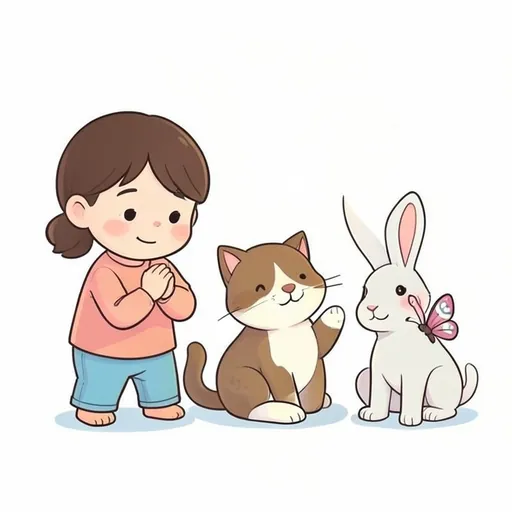
 Sorting
Free phonological awareness activities and games
25 free activities · no sign-up
Phonological awareness is noticing and working with the sound structure of spoken words, apart from their meaning: hearing that “cat” and “hat” rhyme, clapping the syllables in “butterfly”, or knowing that “map” starts with /m/. The boards cover the range from larger units, rhymes and syllables, down to single sounds.
A typical route is rhyme and syllables first, then first and last sounds, then blending and segmenting sounds, and finally deleting or changing a sound. These are spoken activities: the student does not need to read, and letters can come later.
Try one now
All 25 activities
- Sorting
- Sorting
Animal Syllable Sort: 1, 2 or 3 Beats
Grades PreK–2
Clap the beats in 18 animal names and sort them into 1, 2 or 3 syllables: fish, monkey, kangaroo and more.
- Beat it
Beat It: Animal Syllables
Grades PreK–1
Tap a drum once for each syllable, then check the beats: cat, frog, rabbit and tiger and more, 1 to 3 beats each.
- Beat it
Beat It: Compound Word Beats
Grades K–2
Tap a drum once for each syllable, then check the beats: rainbow, cupcake, popcorn and snowman and more, 2 to 3 beats each.
- Beat it
Beat It: Food Syllables
Grades K–2
Tap a drum once for each syllable, then check the beats: cake, cheese, apple and pizza and more, 1 to 4 beats each.
- Beat it
Beat It: One or Two Beats for Preschool
Grades PreK–K
Tap a drum once for each syllable, then check the beats: sun, ball, hat and dog and more, 1 to 2 beats each.
- Beat it
Beat It: School Word Syllables
Grades K–2
Tap a drum once for each syllable, then check the beats: book, desk, glue and pencil and more, 1 to 3 beats each.
- Beat it
Beat It: Three and Four Beat Words
Grades 1–3
Tap a drum once for each syllable, then check the beats: banana, tomato, elephant and kangaroo and more, 3 to 4 beats each.
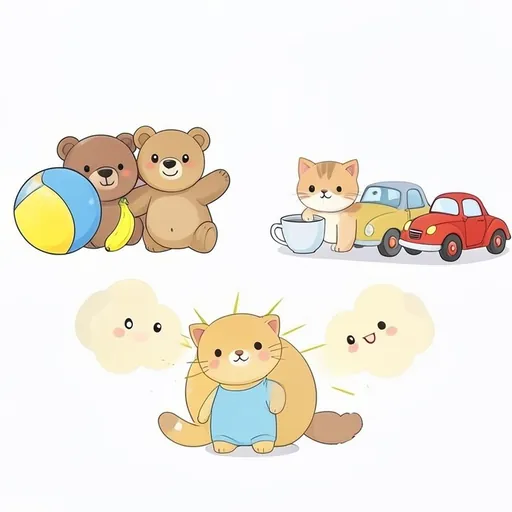 Sorting
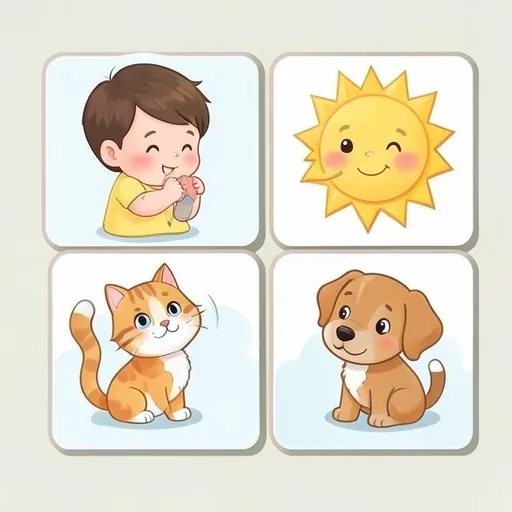 Flashcards
CVC Blending Practice
Grades K–1 · 14 cards
Blend three-phoneme CVC words letter-by-letter into a whole word.
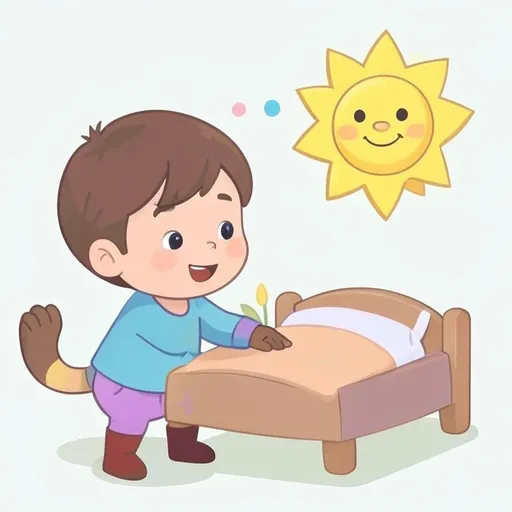 Flashcards
CVC Segmenting Practice
Grades K–1 · 14 cards
Segment CVC words into individual phonemes using finger-tapping.
 Matching
 Matching
- Tap only
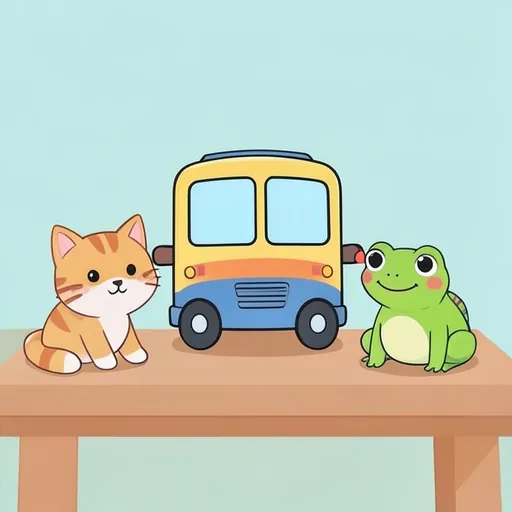
Listen and Tap: When You Hear a Rhyme for Cat
Grades K–2
Listening go/no-go: the board says one word at a time and the student taps only when they hear a word that rhymes with cat, such as hat, bat and mat.
- Tap only
Listen and Tap: When You Hear an /s/ Word
Grades K–2
Listening go/no-go: the board says one word at a time and the student taps only when they hear a word that starts with the s sound, such as sun…
 Flashcards
Phoneme Blending Flashcards
Grades K–2 · 12 cards
Blend individual sounds into words.
 Sorting
Phoneme Count — How Many Sounds?
Grades K–2
Count the phonemes in CVC words.
 Matching
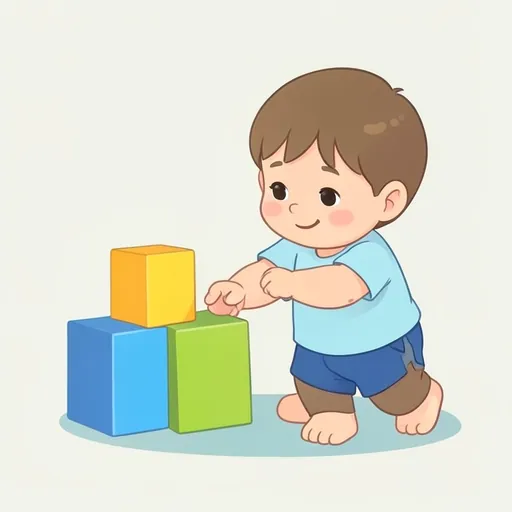
Phoneme Deletion Game
Grades 1–3
Twelve sound-deletion matches: say the word, take one sound away and find what is left. Train without /t/ is rain, spin without /s/ is pin, block…
 Flashcards
Phoneme Segmenting Flashcards
Grades K–2 · 12 cards
Segment words into individual phonemes.
 Matching
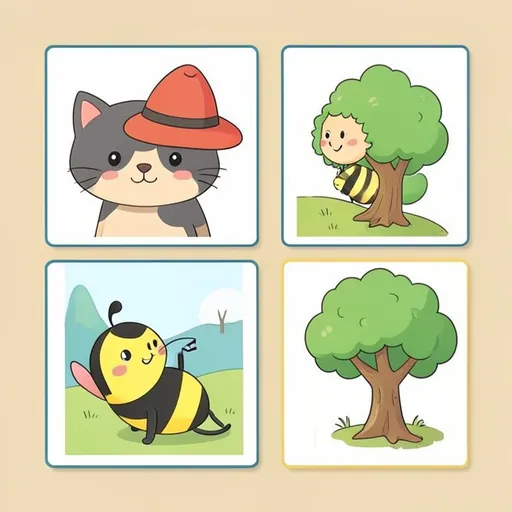
Rhyme Pairs Memory Match
Grades K–1
Eleven rhyming picture pairs to flip and match: cat and hat, dog and log, moon and spoon, tree and bee, mouse and house. Say both words aloud each…
 Sorting
Rhyme Sort — Does It Rhyme?
Grades K–1
Sort picture pairs by whether they rhyme.
- Rule switch
Rule Switch: One Syllable or Two, Then Animal or Food
Grades 1–4
Sort pictures by syllables, then the rule switches and the same pictures are sorted by what it is: dog, duck, bread and cheese and more.
 Sorting
Syllable Clapping Game
Grades K–2
Clap and count syllables in picture words.
- Tap only
Tap Only the /s/ Words
Grades K–2
A go/no-go attention board. Pictures flash one at a time and the student taps only the words that start with /s/: sun, sock and soap yes, shoe or…
 Sorting
Word Families Sort (-at -an -ap)
Grades K–2
Group pictures by their word family rime.
Questions
- Is phonological awareness the same as phonics?
- No. Phonological awareness is about the sounds in spoken words and can be practiced with eyes closed. Phonics connects those sounds to letters. A student who struggles with the spoken tasks may need them alongside phonics instruction.
- What is phoneme deletion?
- Saying a word without one of its sounds: “Say smile without the /s/” gives “mile”. It is one of the harder tasks, so save the phoneme deletion game for students who can already blend and segment.
- How do I keep phonological awareness practice from feeling like drill?
- Use the game boards (the rhyme memory match, the syllable clapping game, the first and last sound matches) and let the student take the tester’s role sometimes, giving you a word to segment.
Keep the data from every board
With a free account, every correct, cued and incorrect mark is saved to the student and scored against their IEP goal. Assign any board as home practice through the parent portal.
Start free — score trials on this hub