Syllable Clapping Game
Clap and count syllables in picture words.
Drop here
Drop here
Drop here
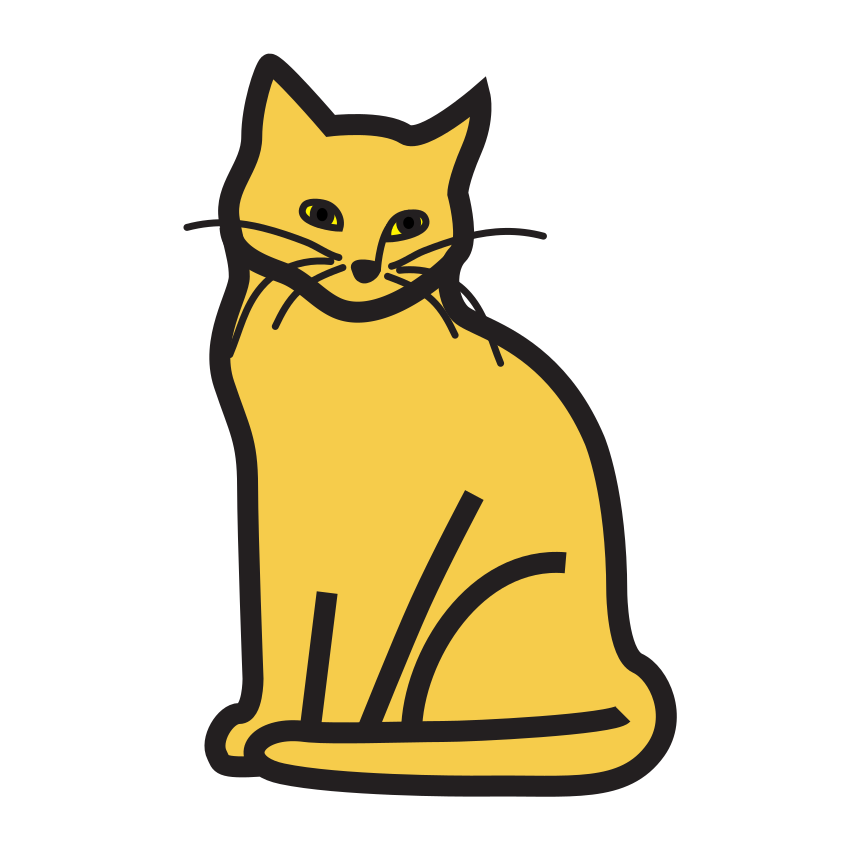
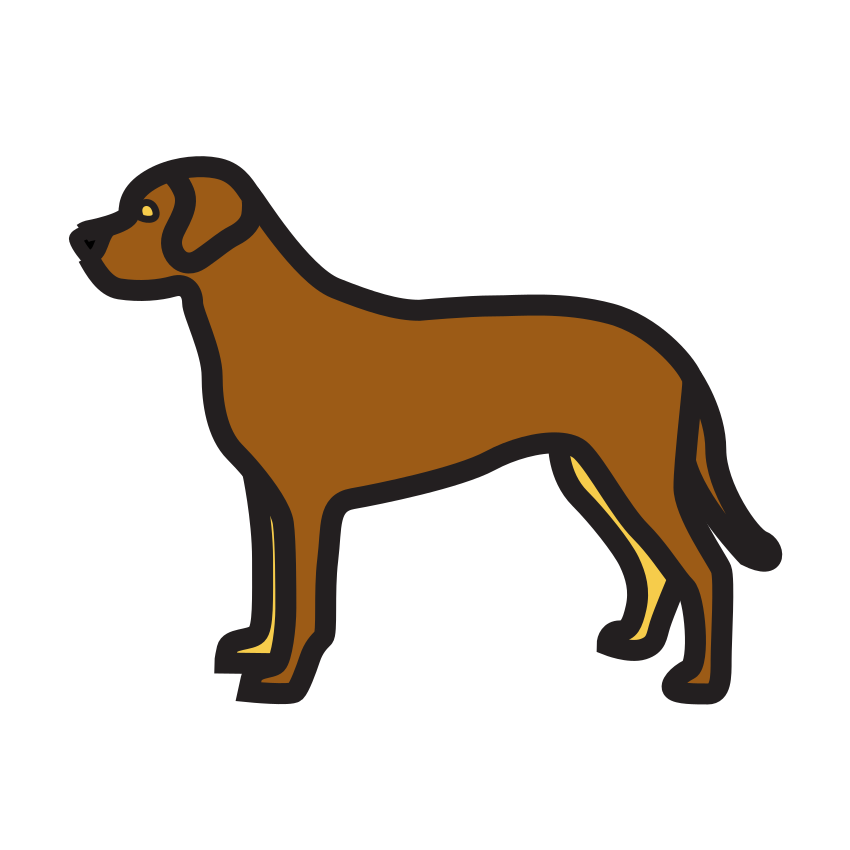



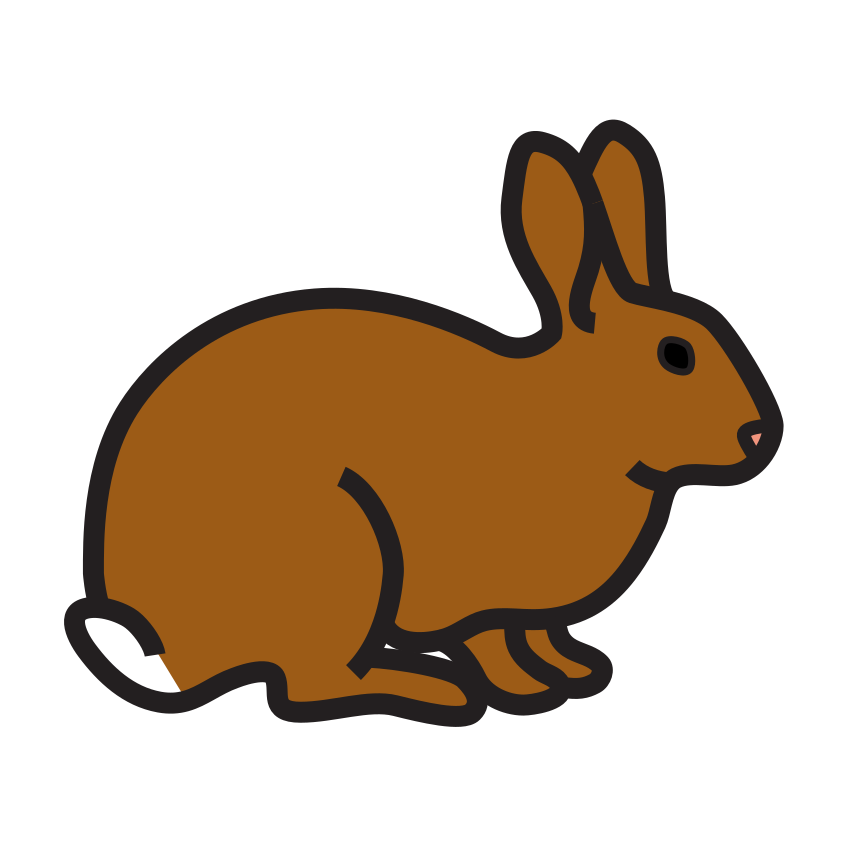

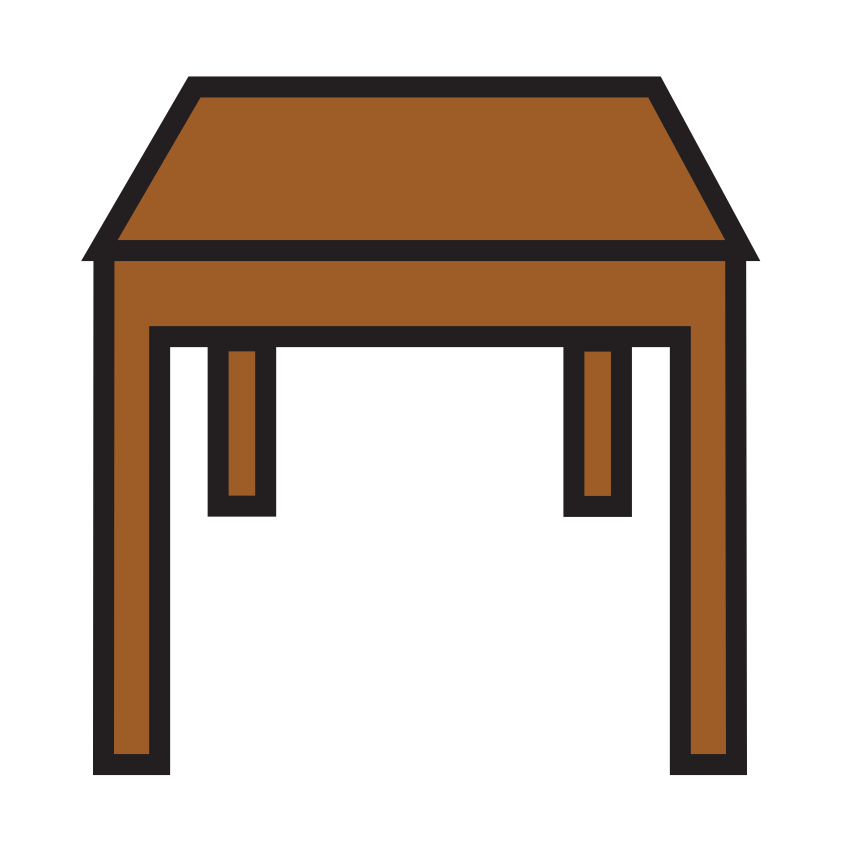

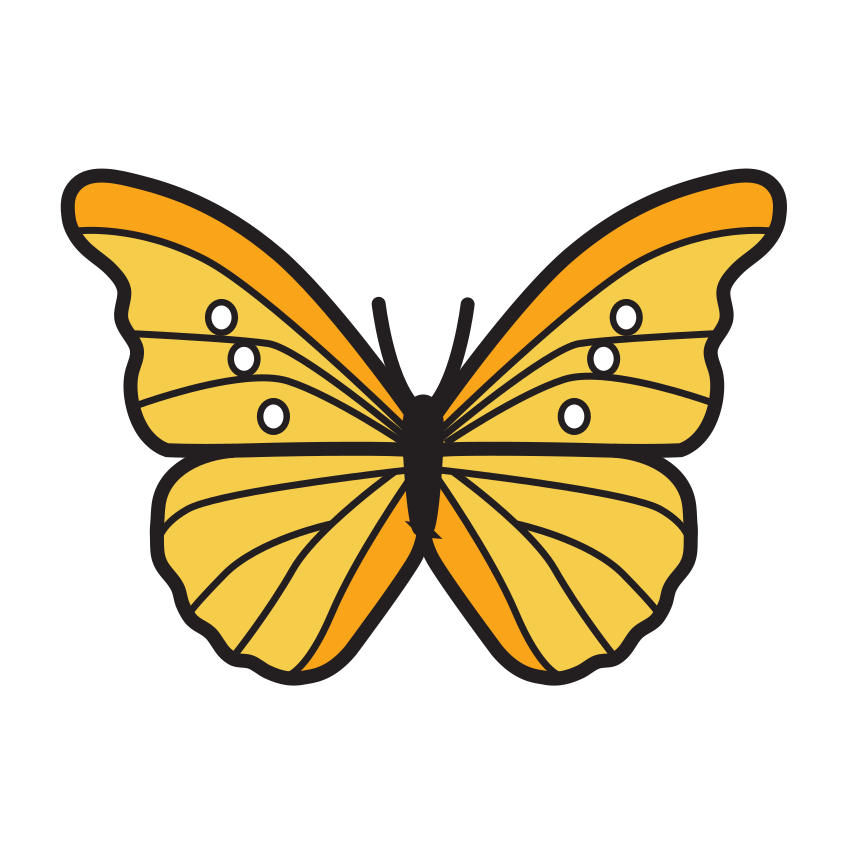



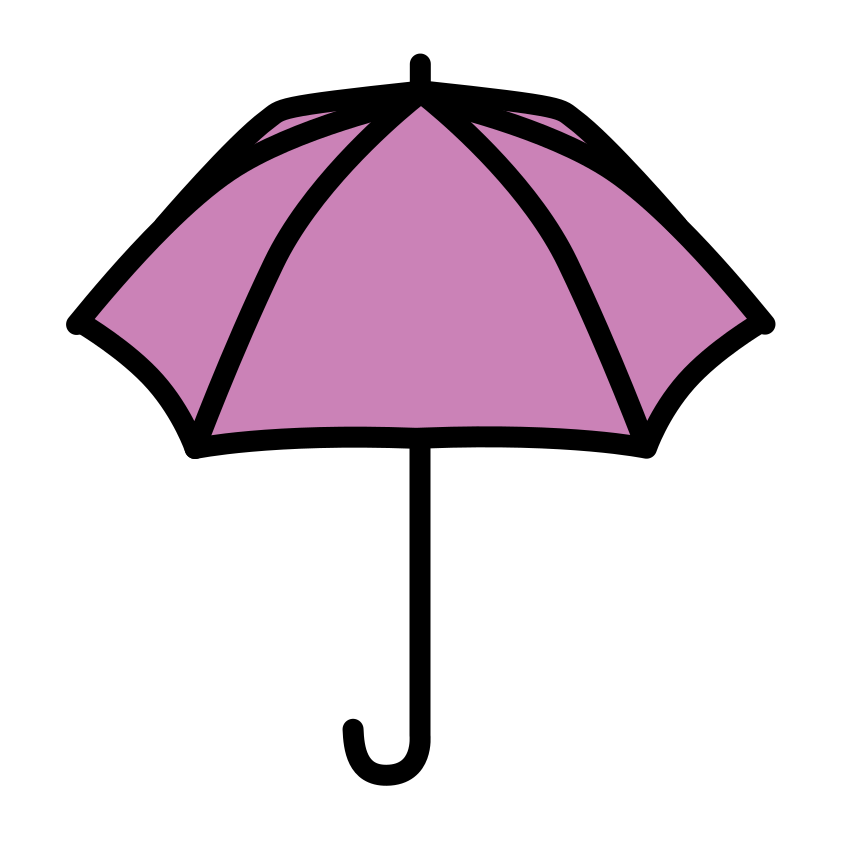
0/14 sorted
How to run it
Have the child clap rather than watching you. An adult clapping while the child listens produces a correct count and no learning; the child's own hands are the instrument. Do the one- and three-syllable words first, since the contrast is obvious, and add the two-syllable ones once the idea is established. Eight minutes covers the fourteen.
Cueing ladder
Start at the top. Add support one step at a time.
- IndependentSay the item and wait 5 seconds for the student's answer.Log as correct
- Stretch itSay the word again slowly, stretching the sounds or tapping the syllables.Log as cued
- Two choicesOffer two answers, the right one not always second.Log as cued
- ModelDo it yourself, tapping as you go, then the student does it after you.Log as cued
Adjust it
Use pictures, fewer items, and words with fewer sounds.
Take the pictures away, or move on to onset-rime: splitting 'c-at' and matching word families.
Matching IEP goal
Given spoken words, Student will count the syllables in a word in 8 of 10 opportunities across 3 consecutive sessions, given no more than one repetition.
Send it home through the parent portal →About this activity
Fourteen words sorted by their syllable count: cat, dog, sun, hat and book get one clap; rabbit, pencil, table and window get two; butterfly, elephant, banana, computer and umbrella get three. Clapping is the standard route into syllable awareness because it makes an abstract unit into a physical one.
What to listen for
Watch the two-syllable words, which is where the errors live. Pencil has an unstressed second syllable that is easy to swallow, and a child who counts butterfly correctly may still call pencil one clap. Notice whether the child is counting sounds rather than syllables — cat as three claps is phoneme segmenting, a different and later skill worth acknowledging rather than correcting here.
Carrying it home
Clapping names at dinner takes ten seconds and children enjoy it. Family names, food on the plate, anything in the room — the syllable is the easiest phonological unit to practise anywhere.
What's in this activity
- 1 clap
- 2 claps
- 3 claps
Questions
- What ages is this for?
- Kindergarten through second grade, as early phonological awareness work.
- Is it free?
- Yes, all fourteen words play with no account.
- My child claps three times for 'cat'. What is that?
- They are segmenting sounds rather than syllables, which is a real and more advanced skill. It is worth naming the difference rather than marking it wrong — the chin dropping once per syllable is a useful physical cue.
Use this board with your caseload
With a free account, every correct, cued and incorrect mark is saved to the student and scored against their IEP goal, with the data written up for you. Assign it as home practice through the parent portal.
Track progress freeFree for SLPs. No card, no trial clock.