1-2-3 Syllable Sort
Sort pictures into 1, 2, or 3 syllable groups.
Drop here
Drop here
Drop here








0/15 sorted
How to run it
Start by clapping the word with the child before they move it — the hand does the segmenting before the head does. Do the one-syllable bin first and let the contrast carry: dog against banana is obvious in a way dog against cat is not. When a child stalls, say the word slowly with an exaggerated pause between beats. Once they are placing accurately, drop the clapping and ask them to count silently, then say the number before they drag. Eight to ten minutes is a full pass with time to redo the ones that were guesses.
Cueing ladder
Start at the top. Add support one step at a time.
- IndependentSay the item and wait 5 seconds for the student's answer.Log as correct
- Stretch itSay the word again slowly, stretching the sounds or tapping the syllables.Log as cued
- Two choicesOffer two answers, the right one not always second.Log as cued
- ModelDo it yourself, tapping as you go, then the student does it after you.Log as cued
Adjust it
Use pictures, fewer items, and words with fewer sounds.
Take the pictures away, or move on to onset-rime: splitting 'c-at' and matching word families.
Matching IEP goal
Given spoken words, Student will count the syllables in a word in 8 of 10 opportunities across 3 consecutive sessions, given no more than one repetition.
Send it home through the parent portal →About this activity
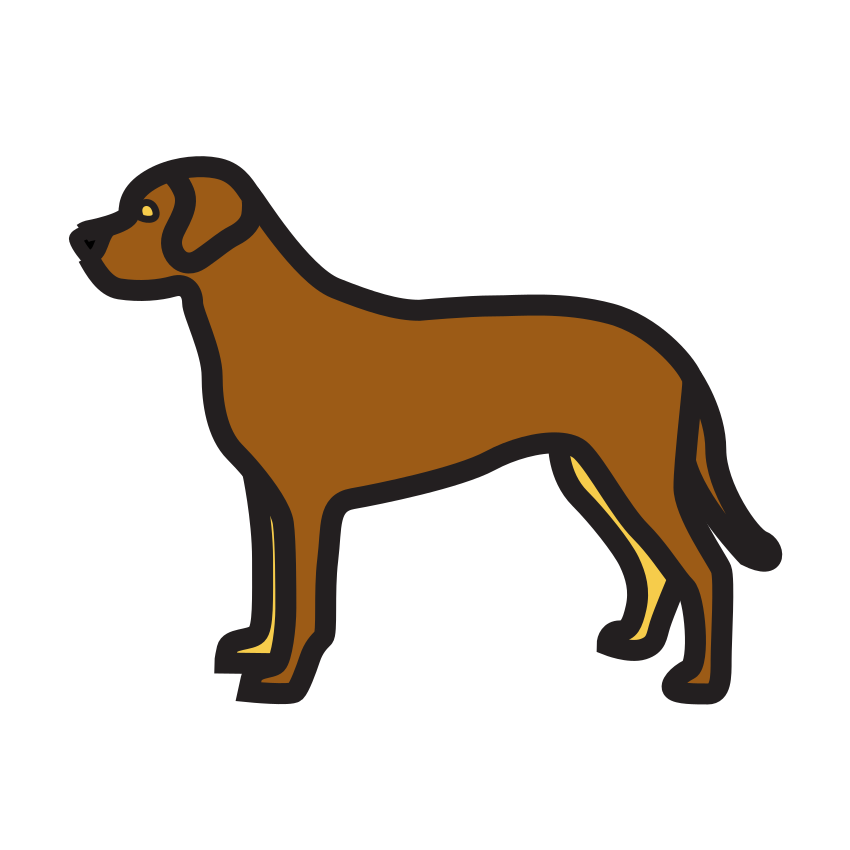
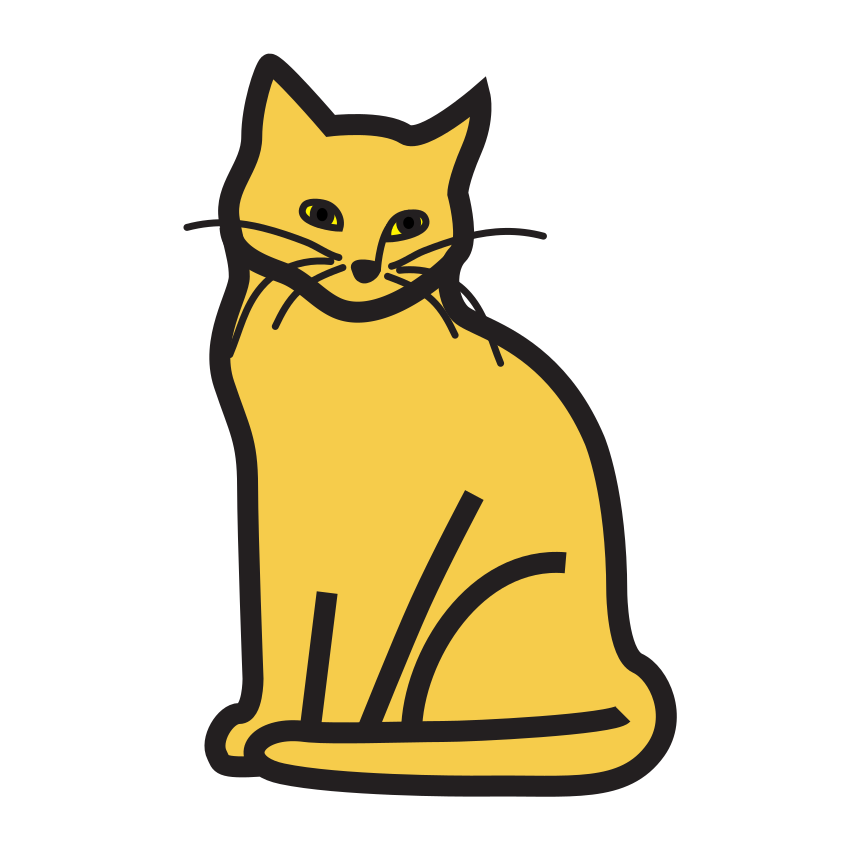
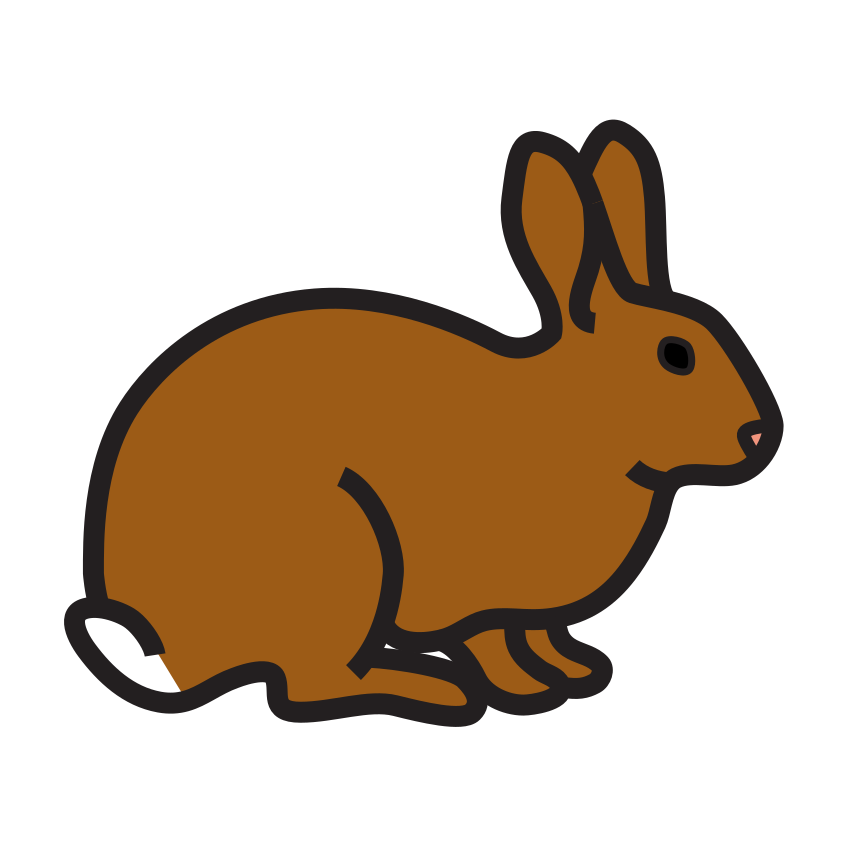
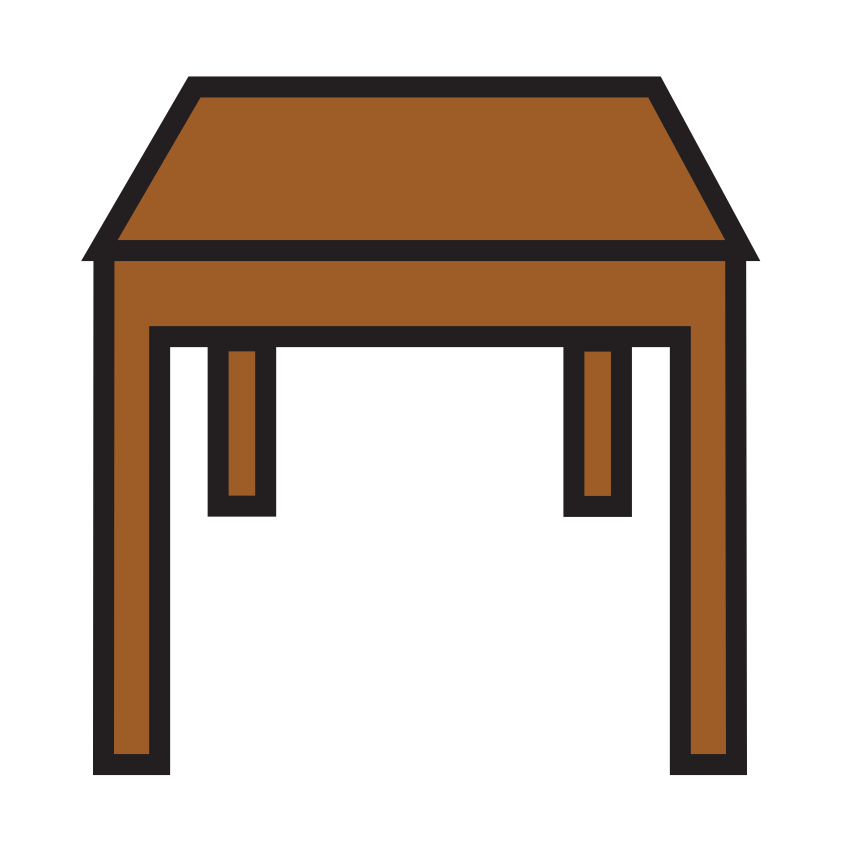
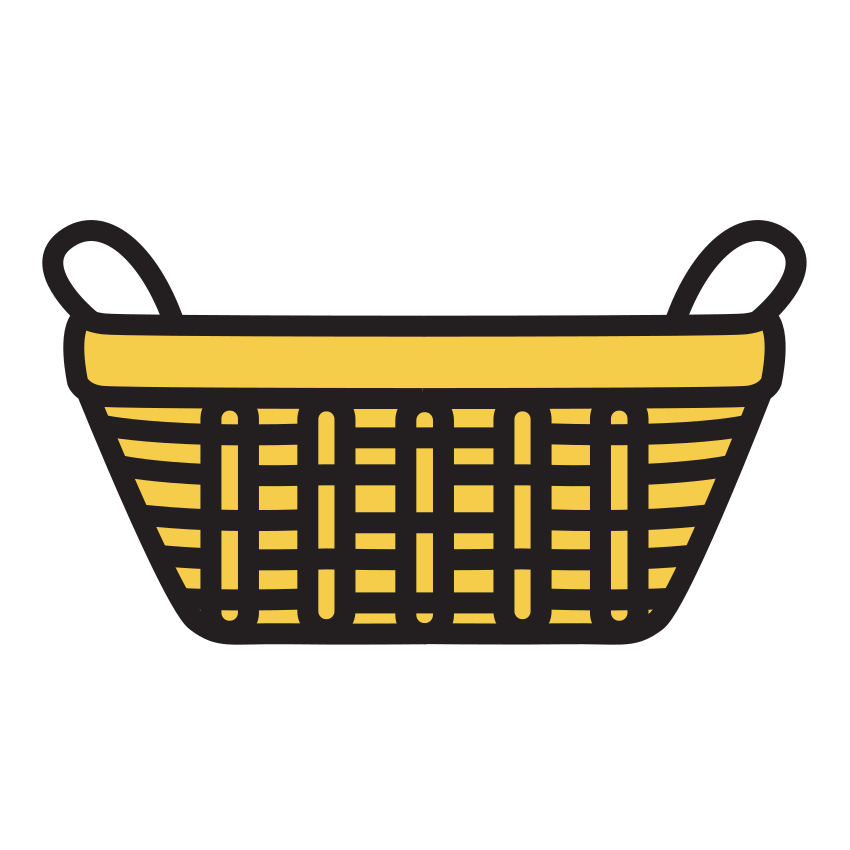
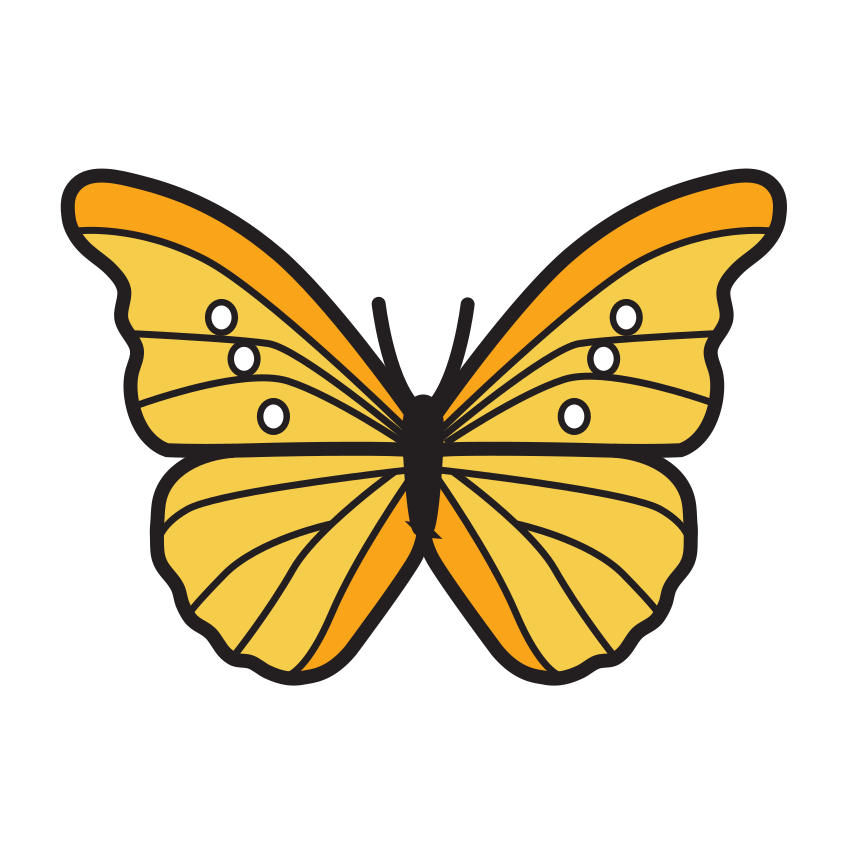
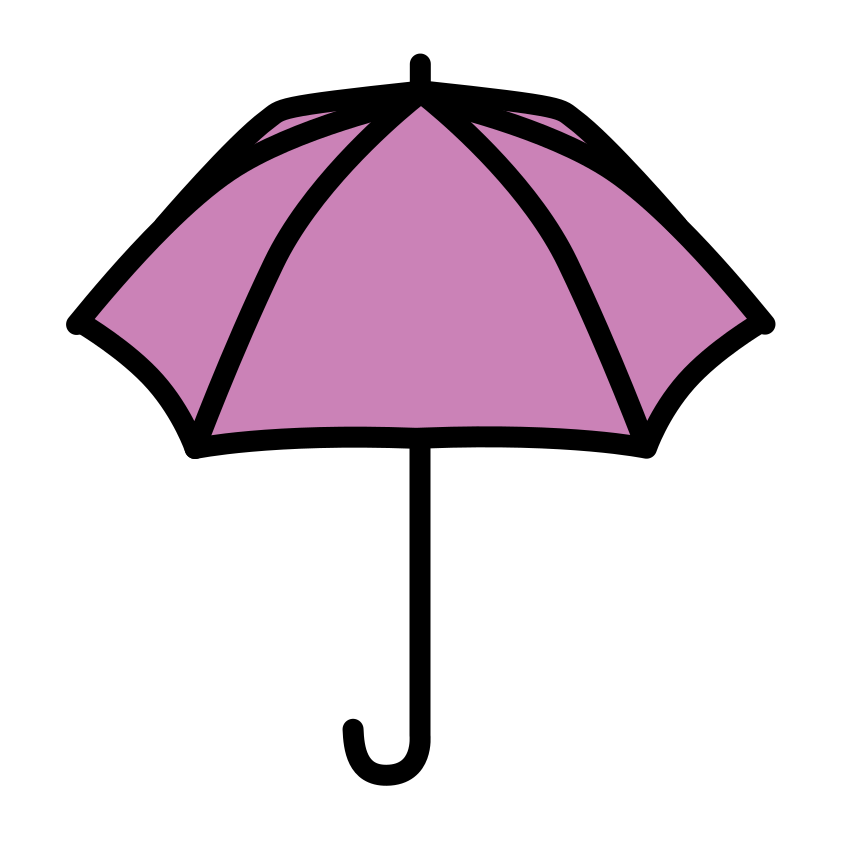
Fifteen familiar words, three bins. The child hears or reads a word and drops it where it belongs: dog, cat, cup, hat and sun in the one-syllable bin; rabbit, pencil, table, basket and window in the two; butterfly, elephant, banana, computer and umbrella in the three. Every word is a picturable noun a kindergartener already owns, so the only new demand is the counting itself.
What to listen for
Two-syllable words are where the errors live. A child who counts butterfly correctly may still call pencil one syllable, because the second beat is unstressed and easy to swallow. Watch for counting phonemes instead of syllables — a child who says cat has three is segmenting sounds, which is a different skill and worth noticing rather than correcting on this board. Progress looks like the clapping disappearing: first the hands stop, then the lips stop, and the child just knows.
Carrying it home
Syllables are the easiest phonological awareness skill to carry into a car ride. Clap family names at dinner — Grandma is two, Alexander is four. Tap the syllables of what is on the plate: bread, banana, spaghetti. It takes ten seconds and no materials, and it is the same skill this board is drilling.
What's in this activity
- 1 syllable
- 2 syllables
- 3 syllables
Questions
- What age is this for?
- It is written for kindergarten through second grade, where syllable segmenting is an expected early literacy skill. Older students working below grade level use it too — the words are not babyish.
- Do I need an account to use it?
- No. The board is free to play here with no login and no card. An account only adds the clinical half: assigning it, scoring it against an IEP goal, and keeping the data.
- My student counts sounds instead of syllables. What do I do?
- Go back to whole-body segmenting — march the beats, or tap the chin as it drops on each vowel. The chin drop is the reliable cue, because it happens once per syllable and not once per sound.
Use this board with your caseload
With a free account, every correct, cued and incorrect mark is saved to the student and scored against their IEP goal, with the data written up for you. Assign it as home practice through the parent portal.
Track progress freeFree for SLPs. No card, no trial clock.