Small Talk for Teens: Easy Openers and Follow-Ups
- Game
- 6–12
- 1 page · 10 min
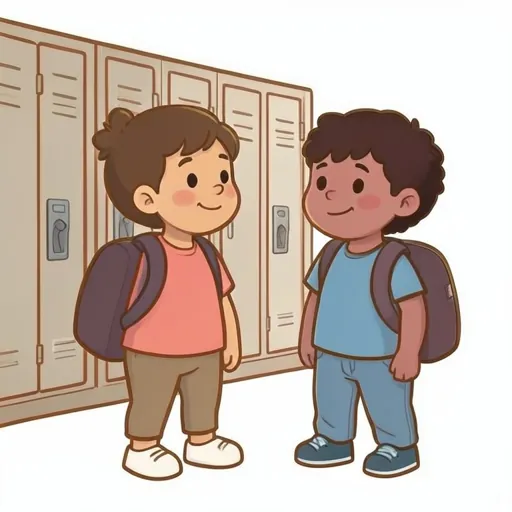
Ten small talk openers and follow-ups for the minutes before class, on the bus or in a lunch line: how was your weekend, did you finish the project, what are you listening to, are you going to the game. The student asks, listens to your answer, and adds one follow-up before the next card. Small talk is optional and short; the board gives words for the times a student wants them. Score each opener and follow-up as independent, cued, or modeled in your own data.
Talk about it
Small Talk for Teens: Easy Openers and Follow-Ups
10 cards — tap to deal
How to run it
Show each card, model the line once, and have the student say it to you as if the moment were real. Answer the way a peer would, so the line gets a real response. Use objects and people in the room where you can. Work through the set once for a baseline, then return to the lines that were hard. Keep your own data: mark independent, cued, or modeled trials in your session notes.
Cueing ladder
Start at the top. Add support one step at a time.
- IndependentPresent the situation and wait 5 seconds of quiet before helping.Log as correct
- HintPoint to the part of the situation that matters, or ask what the other person might think.Log as cued
- Two choicesGive two possible lines and let the student pick one and say it.Log as cued
- ModelModel a full line the student can repeat, then try the next card.Log as cued
Adjust it
Pick three openers the student would really use and give a follow-up starter, such as what was the best part.
Have the student open, follow up twice, and close the chat with a reason to go, with no cards.
Matching IEP goal
Given an informal moment with a peer, Student will start a brief conversation and make one related follow-up in 8 of 10 opportunities across 3 consecutive sessions, given no more than an indirect cue.
Send it home through the parent portal →About this activity
Small Talk for Teens: Easy Openers and Follow-Ups is a speaking card board for grade 6 through grade 12 students. Ten small talk openers and follow-ups for the minutes before class, on the bus or in a lunch line: how was your weekend, did you finish the project, what are you listening to, are you going to the game. The student asks, listens to your answer, and adds one follow-up before the next card. Small talk is optional and short; the board gives words for the times a student wants them. Score each opener and follow-up as independent, cued, or modeled in your own data. It suits a short therapy block, a small group or a station; you score the responses yourself.
What to listen for
Listen for the follow-up that uses the partner's answer, since an opener alone ends the exchange. Two or three turns is a complete small talk conversation; it does not need to grow. Do not require eye contact, and respect a student who would rather not make small talk; the aim is having the words when they want them. Lines here include what are you listening to and any plans for the break.
Carrying it home
In the car or at dinner, trade one opener each and one follow-up, then stop. Short and low pressure is the point. Ask your teen which openers sound like something a person their age would say and drop the rest.
What's in this activity
- How was your weekend?
- What are you listening to?
- Any plans for the break?
- How is practice going?
Questions
- Who is this for?
- This board is for grade 6 through grade 12 students working on social skills, with items such as how was your weekend, and did you finish the project yet.
- What comes next?
- Try one opener before a real class this week, then move to joining a group already talking. To make it easier: pick three openers the student would really use and give a follow-up starter, such as what was the best part.
- Is it free?
- Yes. It plays free in the browser with no login. An account adds session data, goal scoring, and assignment to a student.
Use this board with your caseload
With a free account, every correct, cued and incorrect mark is saved to the student and scored against their IEP goal, with the data written up for you. Assign it as home practice through the parent portal.
Track progress freeFree for SLPs. No card, no trial clock.