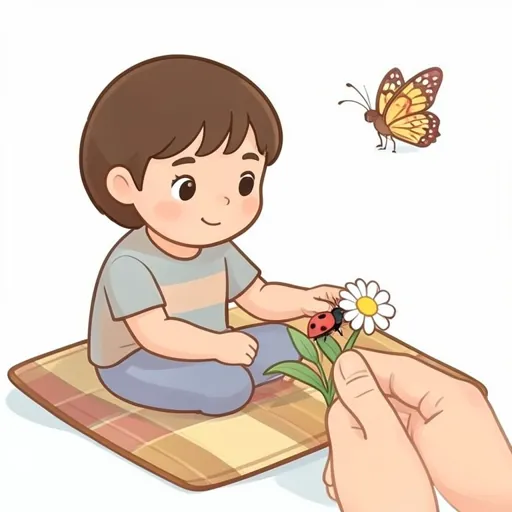
Picnic in the Park: Snack, Then Spot
- Game
- K–2
- 1 page · 8 min
The second picnic level: each direction describes the picture (the buzzing bug, the red bug with black spots) and then gives the place. Built for grades K–2, it works in pull-out, push-in, or teletherapy, in about 8 minutes. Sample stimuli: watermelon, cookie, bird, cloud, bee, and more. Plays in the browser with no login; add students to score trials against IEP goals.
Place it
Picnic in the Park: Snack, Then Spot
Find the big green fruit with red inside and put it on the grass. 0 / 8
Tap a picture, then tap its spot — or drag it there.
How to run it
Let the board say each direction, then wait before helping. If reading is not the goal, keep the written direction covered so the student works from listening. When a picture lands in the wrong spot the board says so and repeats the direction, so let the student try again before you step in. Because each direction names a picture by what it looks like or does and then says where it goes, it holds two pieces of information; for true two-step practice, read two directions aloud before the student moves either picture.
Cueing ladder
Start at the top. Add support one step at a time.
- IndependentLet the board say the direction once and wait 5 seconds for the student to place the picture without help.Log as correct
- RepeatSay the direction again more slowly and stress the place word, such as 'on' or 'under'.Log as cued
- PointPoint to the picture the direction names, then let the student choose where it goes.Log as cued
- ModelPlace the picture yourself while saying the direction, then the student does the next one.Log as cued
Adjust it
Give one picture at a time, name the spots in the scene together first, or use fewer pictures.
Read two directions before the student moves, or have the student give a direction for you to follow.
Matching IEP goal
Given a spoken two-part direction with a location word, Student will place the named picture in the correct spot in 8 of 10 opportunities across 3 consecutive sessions, given no more than one repetition.
Send it home through the parent portal →About this activity
The picnic again, with directions that describe instead of name. The board reads one direction aloud, such as "Find the big green fruit with red inside and put it on the grass.", and the student drags that picture to the right spot. There are 8 directions using watermelon, cookie, bird and cloud and more, and the spots are places in the picture: sky, top of the hill, bush, grass and grass in front of the bush. One direction is one trial.
What to listen for
The describing words carry the load here: color, size, what it does. A student who gets the place right but picks the wrong picture is missing the description, not the location. Notice whether errors come from the location word or from the picture: a student who picks the right picture but the wrong spot needs the place word, and one who picks the wrong picture needs the noun or the description.
Carrying it home
At a real picnic or snack time, describe what to pass instead of naming it. Give one direction at a time, wait, and swap roles so your child gives you a direction to follow too.
What's in this activity
- watermelon
- cookie
- bird
- cloud
- bee
- ladybug
- frog
- sun
Questions
- What does this practise?
- Following spoken two-part directions with location words such as bush, grass and grass in front of the bush. Each picture placed is one trial, so the session session record counts how many directions the student followed.
- What if my student places pictures before listening?
- Have them put their hands in their lap until the direction ends, then move. Repeating the direction aloud before moving also helps.
Use this board with your caseload
With a free account, every correct, cued and incorrect mark is saved to the student and scored against their IEP goal, with the data written up for you. Assign it as home practice through the parent portal.
Track progress freeFree for SLPs. No card, no trial clock.