Describe It: Group, Use, Parts and Place
- Game
- K–3
- 10 pages · 10 min
10 describing questions: what group a bicycle is in, what parts a bird has, where you find a pillow and what a toothbrush is for. Built for grades K–3, it works in pull-out, push-in, or teletherapy, with 10 screens, in about 10 minutes. Sample stimuli: A bicycle is in which group?, What is a toothbrush for?, An umbrella is for what?, A guitar is in which group?. Plays in the browser with no login; add students to score trials against IEP goals.
Quiz
Describe It: Group, Use, Parts and Place
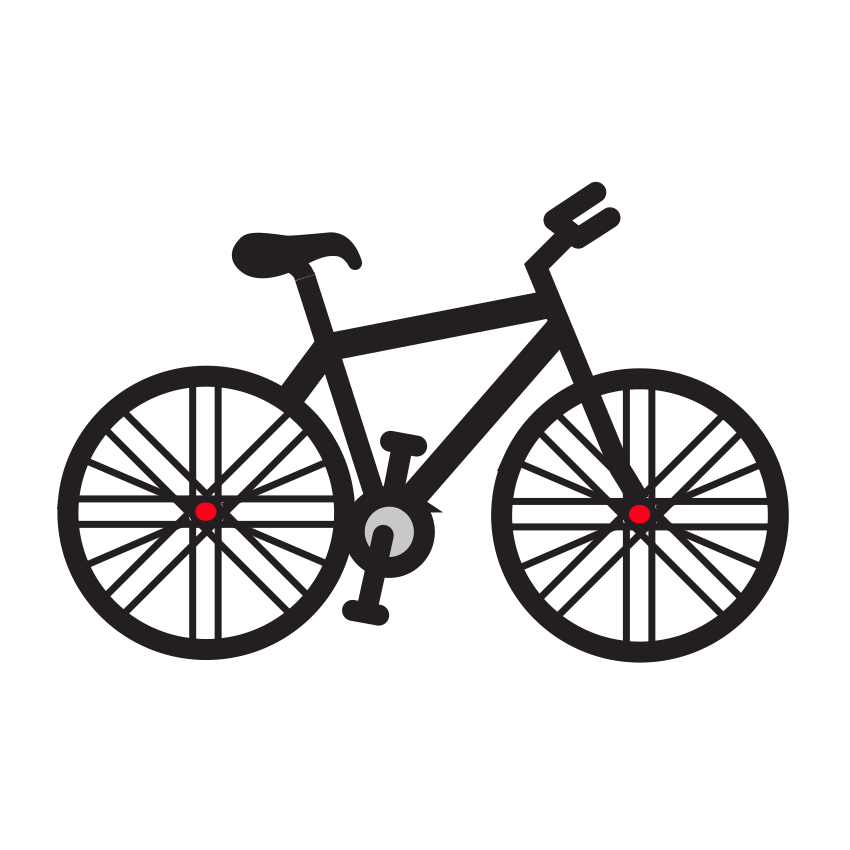
A bicycle is in which group?
Tap your answer.
Session summary (SOAP)
Stays on this screen. Nothing is saved or sent.
Mark a card Correct, Correct with cue or Incorrect and the summary writes itself here.
How to run it
Draw four boxes on paper labelled group, use, parts and place. After each answer, write it in the right box. When two or three answers are about the same thing, read the boxes back as one description: 'A bicycle is a vehicle with wheels and pedals.' Then have the student describe a new object using all four boxes.
Cueing ladder
Start at the top. Add support one step at a time.
- IndependentPresent the item and wait 5 seconds of quiet before helping.Log as correct
- HintGive a clue about the word's category, what it does, or where you find it.Log as cued
- Two choicesOffer two answers, the right one not always second.Log as cued
- ModelGive the answer in a sentence; the student says it back and uses it once more.Log as cued
Adjust it
Use fewer items and start with the ones the student already knows.
Ask for the word in a sentence of the student's own, or a second example from the same group.
Matching IEP goal
Given vocabulary cards, Student will name, sort or define target words in 8 of 10 opportunities across 3 consecutive sessions, given no more than an indirect cue.
Send it home through the parent portal →About this activity
Ten questions that each ask about one way to describe a thing: its group (a bicycle is a vehicle), its parts (a bird has wings and a beak), where you find it (a pillow is on a bed) and what it is for (a toothbrush cleans teeth). One question asks how a lemon tastes. Put together, the answers make a full description.
What to listen for
Notice which kind of question is hardest. Parts questions often trip students who know the object well but have not thought about its parts. A student who can answer each question but cannot put them together needs the four boxes as a visual support.
Carrying it home
Play a describing game at dinner: pick something on the table and say its group, one part, where it lives and what it is for. Let your child guess what you described.
What's in this activity
- A bicycle is in which group?
- vehicles
- fruits
- animals
- Which parts does a bicycle have?
- fins and gills
- wheels and pedals
- pages and a cover
- Where would you find a pillow?
- in a pond
- on a tree
- on a bed
- What is a toothbrush for?
- cleaning teeth
- painting walls
- cutting bread
- Which parts does a bird have?
- wheels and a seat
- wings and a beak
- keys and a screen
- Where would you find a stove?
- in a garden
- at the beach
- in a kitchen
- An umbrella is for what?
- keeping dry
- keeping cold
- making music
- A guitar is in which group?
- tools
- instruments
- foods
- Which parts does a tree have?
- legs and a tail
- buttons and a zip
- roots and branches
- What does a lemon taste like?
- sour
- salty
- sweet like candy
Questions
- Why four kinds of question?
- Group, use, parts and place are the four ideas most describing frameworks use. Practising each one makes a full description easier.
- Is there a describing web to go with it?
- Yes. The describing web sort boards use the same four ideas for one object at a time.
Use this board with your caseload
With a free account, every correct, cued and incorrect mark is saved to the student and scored against their IEP goal, with the data written up for you. Assign it as home practice through the parent portal.
Track progress freeFree for SLPs. No card, no trial clock.