Lotería de sonidos
Juego de lotería para practicar el sonido objetivo en palabras completas.
Drop here
Drop here
Drop here
Drop here
Drop here













0/25 sorted
How to run it
Call one sound group at a time until you know where the student is. Twenty-five mixed words spends most of a session on sounds that are already fine. Ask for the word before the square is covered, and for a phrase before the second — a lotería board is a lot of repetitions dressed up as a game, and requiring the phrase doubles them. Fifteen minutes is a full board.
Cueing ladder
Start at the top. Add support one step at a time.
- IndependentThe student works through the card on their own, listening for their target sound.Log as correct
- SignalUse a silent signal you agreed on, such as a tap on the table, when their target sound slips.Log as cued
- AskAsk 'Did that sound right?' and let the student try the word again.Log as cued
- ModelSay the word correctly; the student repeats it, then carries on.Log as cued
Adjust it
Use fewer cards and one target sound at a time.
Fade the signal. Record the student and have them count their own errors afterwards.
Matching IEP goal
During this activity, Student will produce their target sound correctly in words and phrases, self-correcting any error, in 8 of 10 opportunities across 3 consecutive sessions, given no more than a nonverbal signal.
Send it home through the parent portal →About this activity
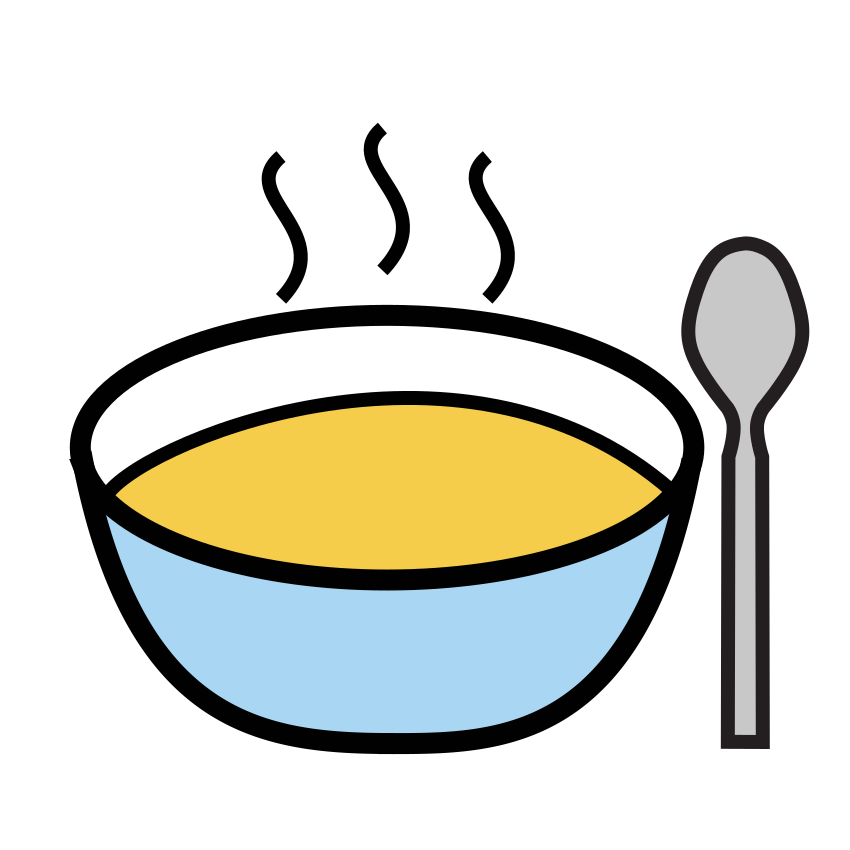
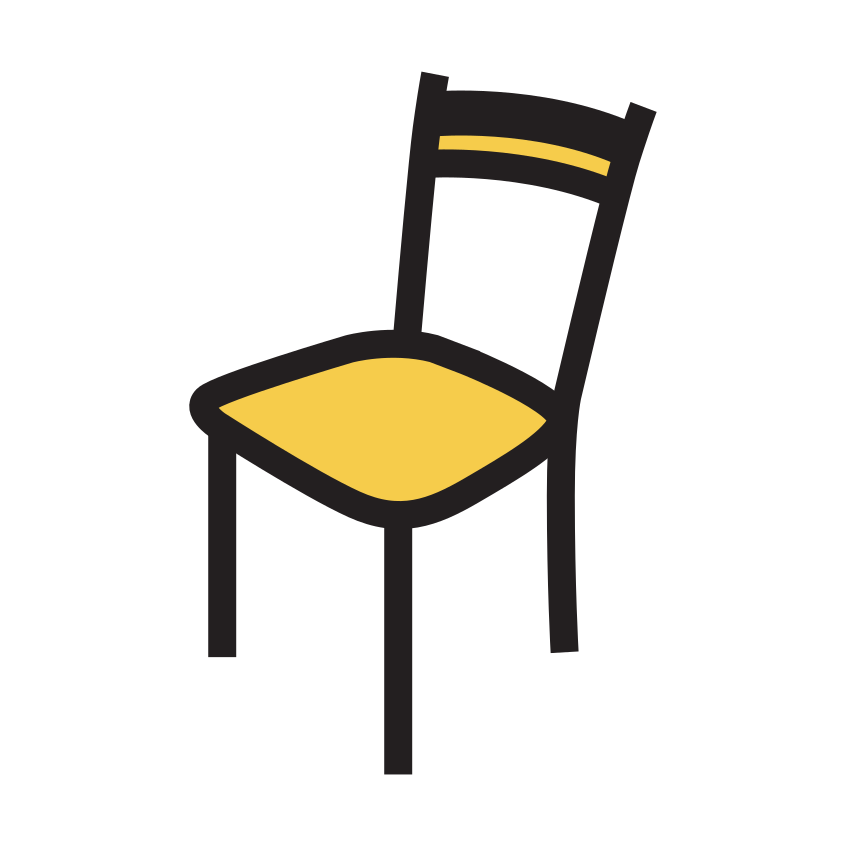
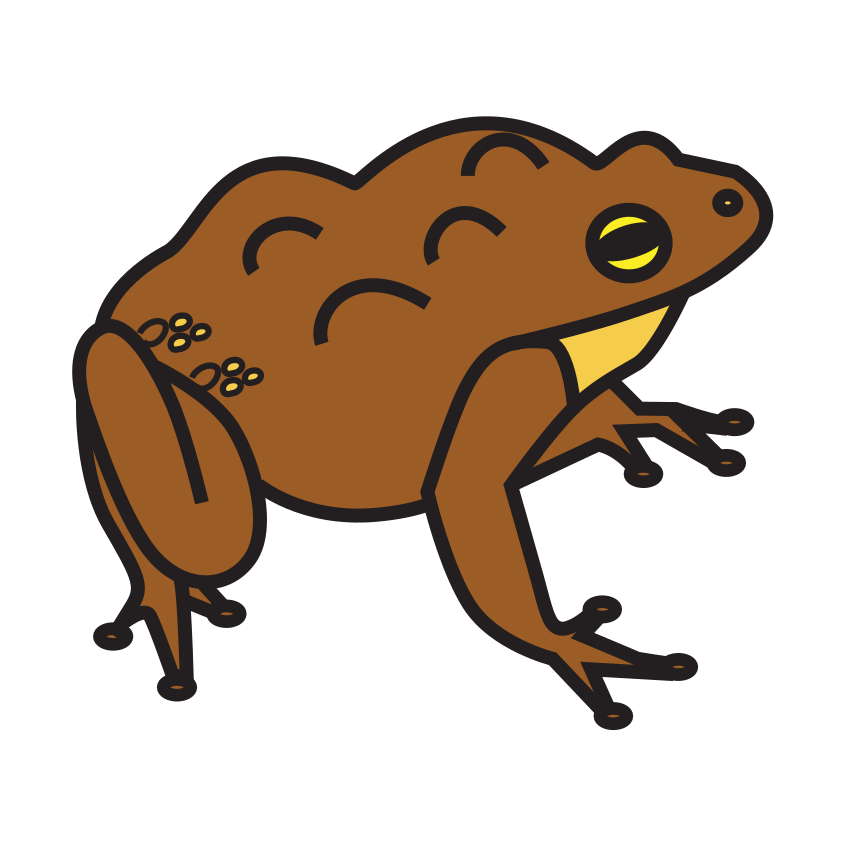
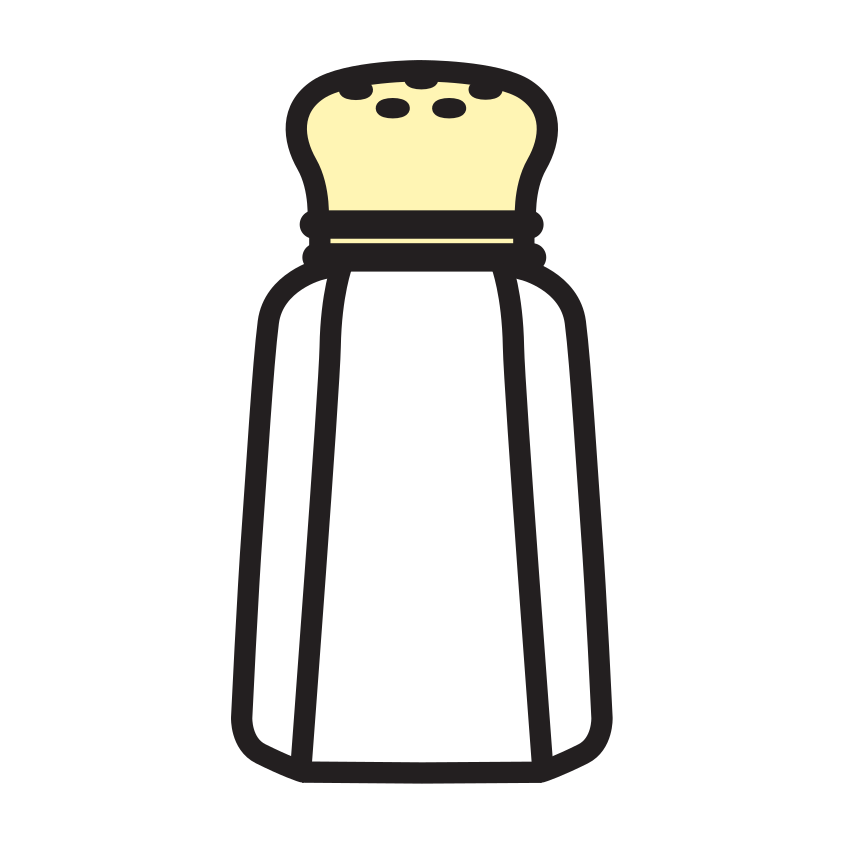
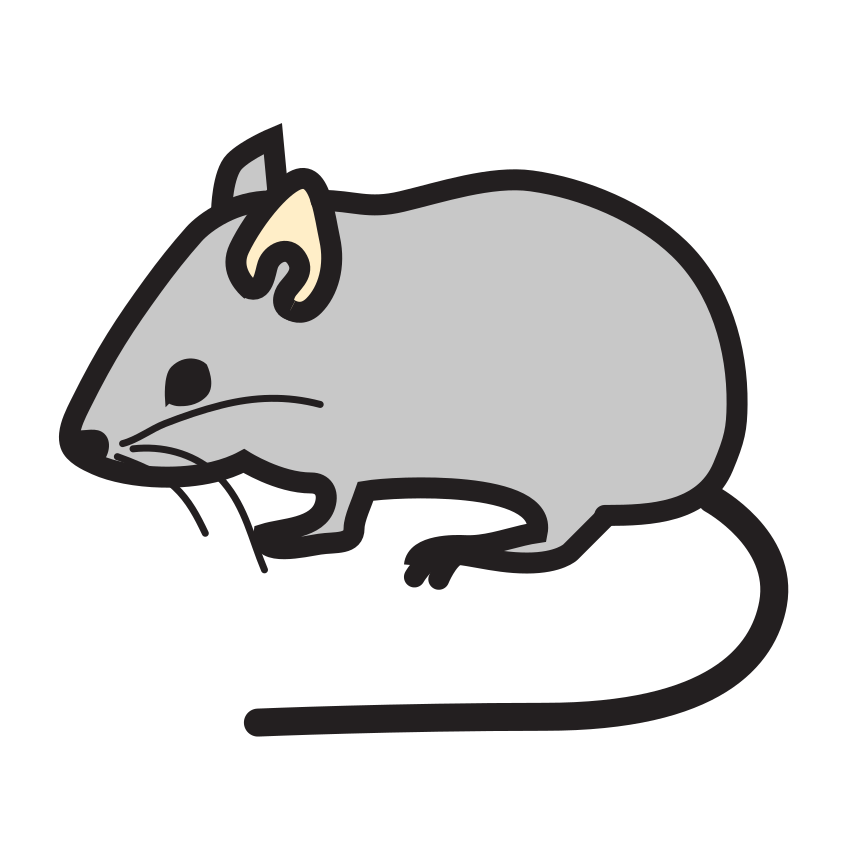
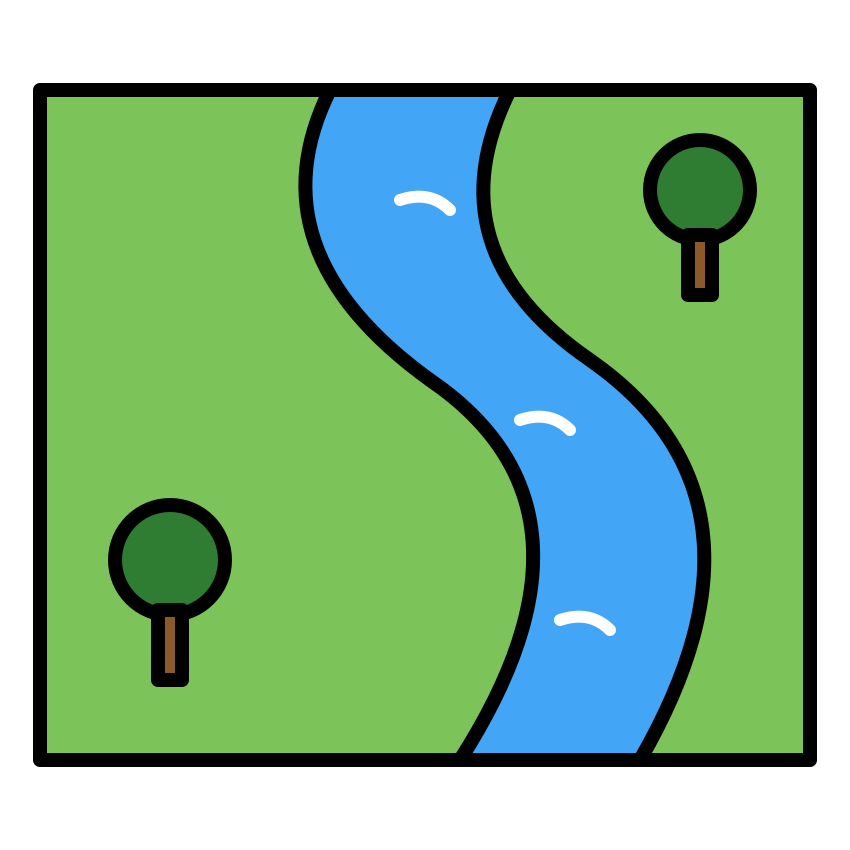
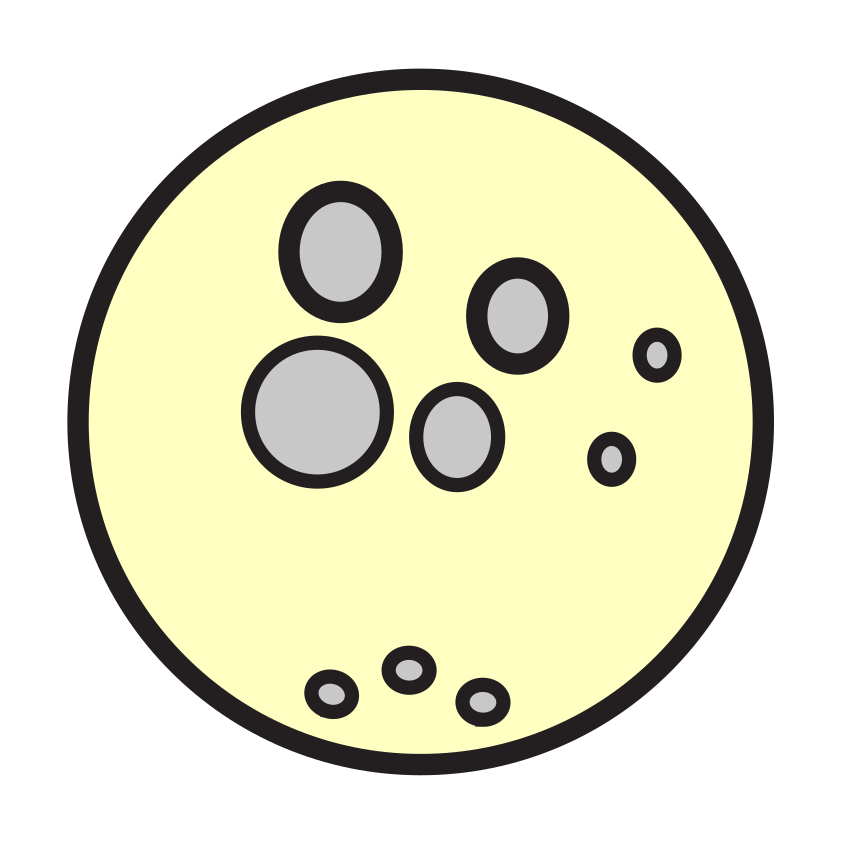
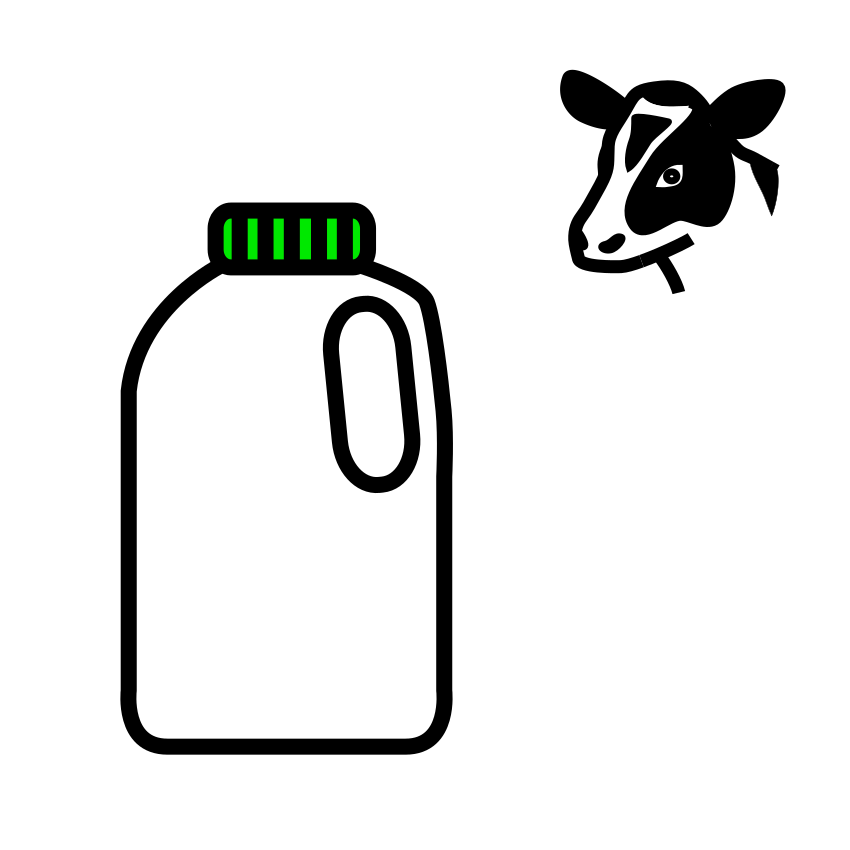
Twenty-five Spanish words grouped by target sound: sol, sopa, silla, sapo and sal for /s/; ratón, rojo, rueda, río and rosa for /r/; luna, lápiz, leche, libro and lobo for /l/; chico, coche, chaqueta, mochila and noche for /ch/; niño, araña, uña, montaña and piña for /ñ/. The /ñ/ group is the one with no English equivalent and the reason a Spanish board is needed rather than a translated one.
What to listen for
Listen for the /ñ/ words specifically. It is a palatal nasal with no English counterpart, and a bilingual student may produce it as /n/ plus /y/ — niño as ninio — which is worth distinguishing from a genuine difficulty. Watch the /r/ group, where a single tap and a trill are different sounds in Spanish and substituting one for the other changes words.
Carrying it home
Sol, luna, leche and noche are everyday words in a Spanish-speaking home. Asking the family to notice one word rather than a sound gives them something concrete, and it works in the language they actually use.
What's in this activity
- /s/
- /r/
- /l/
- /ch/
- /ñ/
Questions
- Is this board in Spanish?
- Yes, all twenty-five words are Spanish. This page is in English so an English-speaking clinician can find and evaluate it.
- Do I need an account?
- No, it plays free with no login.
- Which sounds here do not exist in English?
- The /ñ/ as in niño, and the trilled r. Neither has an English equivalent, which is why they need Spanish practice material rather than a translated English deck.
Use this board with your caseload
With a free account, every correct, cued and incorrect mark is saved to the student and scored against their IEP goal, with the data written up for you. Assign it as home practice through the parent portal.
Track progress freeFree for SLPs. No card, no trial clock.