How Big Is the Feeling? Calm to Terrified
- Game
- K–5
- 1 page · 6 min
Order five fear words from smallest to biggest: calm, uneasy, worried, scared, terrified. Built for grades K–5, it works in pull-out, push-in, or teletherapy, in about 6 minutes. Sample stimuli: calm, uneasy, worried, scared, terrified. Plays in the browser with no login; add students to score trials against IEP goals.
Put it in order
How Big Is the Feeling? Calm to Terrified
Put it in order. First, then, last.
Pick the next step
How to run it
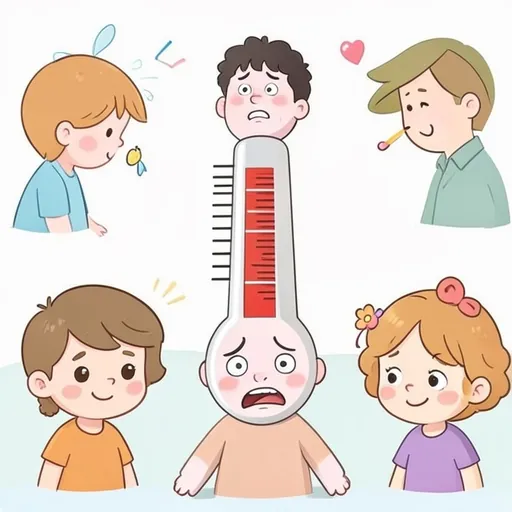
Place the words on a drawn thermometer as the student orders them. Talk about a time each feeling might come up, such as feeling uneasy before a test and terrified in a real emergency. Then pick one calming idea for the middle of the scale, like slow breathing or talking to a grown-up.
Cueing ladder
Start at the top. Add support one step at a time.
- IndependentLet the student order the five words on their own.Log as correct
- Ends firstAsk which is the smallest feeling and which is the biggest, and place those first.Log as cued
- Compare twoRead two words and ask 'Which is bigger?'Log as cued
- ModelOrder the words aloud with a thermometer drawing, then the student tries again.Log as cued
Adjust it
Use three words only (calm, worried, terrified) before adding the others.
Ask the student to say a moment that fits each word, or a calming idea for one level.
Matching IEP goal
Given 5 feeling words of one emotion, Student will order them by intensity and name a coping strategy for one level in 4 of 5 opportunities across 3 consecutive sessions.
Send it home through the parent portal →About this activity
Five words for worry and fear at different sizes: calm, uneasy, worried, scared and terrified. The student orders them from smallest to biggest to make a worry thermometer. Small worries are easier to talk about than big ones, and having a word like uneasy helps a student speak up early.
What to listen for
Notice whether the student knows uneasy, the least familiar word. Watch for worried and scared being swapped. A student who orders the words well but cannot say when they feel each one may need help noticing the feeling in their body.
Carrying it home
Use the five words at bedtime to check in: 'How big is the worry about tomorrow?' Let your child point to a word, and talk about what might help, such as a hug or a plan for the morning.
What's in this activity
- calm
- uneasy
- worried
- scared
- terrified
Questions
- Why teach the word uneasy?
- It names a small worry before it grows, which gives the student a way to ask for help early.
- Can a big fear be right?
- Yes. Terrified fits a real emergency. The aim is a word that matches the size of the feeling.
Use this board with your caseload
With a free account, every correct, cued and incorrect mark is saved to the student and scored against their IEP goal, with the data written up for you. Assign it as home practice through the parent portal.
Track progress freeFree for SLPs. No card, no trial clock.