/d/ Initial Flashcards
Conventional word-initial /d/ targets at the single-word level.
Session summary (SOAP)
Stays on this screen. Nothing is saved or sent.
Mark a card Correct, Correct with cue or Incorrect and the summary writes itself here.
How to run it
Placement first: the tongue tip goes up to the ridge just behind the top teeth, the voice turns on, and the tongue drops. If the child is backing to /g/, saying gog for dog, show them the tongue tip lifting in a mirror and keep the back of the tongue low. Start with the short words, dog, dot and dip, and save the two-syllable ones for later in the session. Six minutes gives several passes.
Cueing ladder
Start at the top. Add support one step at a time.
- IndependentShow the card and wait 3 seconds for the student to say it.Log as correct
- Visual cuePoint to your mouth, or show the mouth picture for /d/, before the student tries again.Log as cued
- Verbal modelSay the word; the student says it right after you.Log as cued
- Placement cueTongue tip up on the bumpy ridge behind your top teeth, then drop it with your voice on.Log as cued
Adjust it
Drop to syllables ('da' and 'dee'), or use fewer cards.
Put each word in a short carrier phrase with no /d/ in it or mix in /d/ words from another position.
Matching IEP goal
Given picture cards, Student will produce /d/ in the word-initial position in single words in 8 of 10 opportunities across 3 consecutive sessions, given no more than a visual cue.
Send it home through the parent portal →About this activity
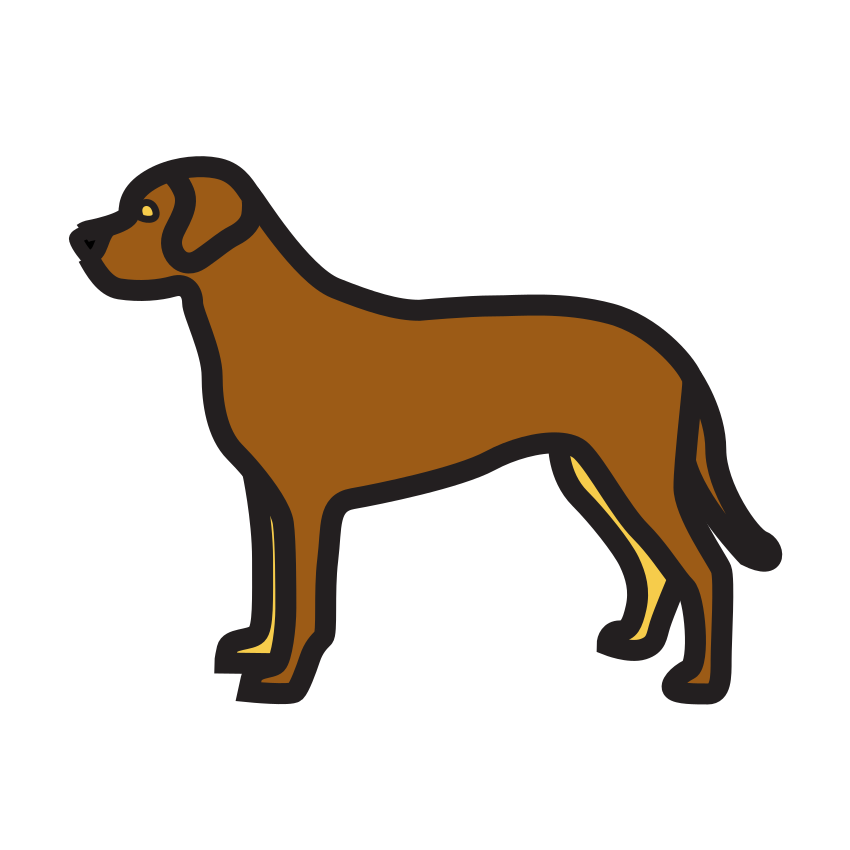
Twelve word-initial /d/ targets at the single-word level: dog, duck, dad, daddy, doll, donut, dime, dot, dump, dip, deep, dance. Most are one syllable and picturable, and daddy and donut add a second syllable once the child is ready. It is a plain, dependable set for establishing /d/ at the start of a word.
What to listen for
Listen for three different errors and note them separately: backing to /g/ (guck for duck), devoicing to /t/ (tance for dance), and stopping the voice altogether. Watch whether the error moves with the vowel: deep and dip keep the tongue forward, while dog and doll may pull it back. Daddy and donut show whether /d/ holds when there is a second syllable to plan.
Carrying it home
Dog, duck, dad and dance are everyday words, which makes them easy to practise without cards. Ask the family to pick two and use them in a short game at home, with the child saying the word before they get a turn.
What's in this activity
- dog
- duck
- dad
- daddy
- doll
- donut
- dime
- dot
- dump
- dip
- deep
- dance
Questions
- My student says /g/ for /d/. Where do I start?
- With the tongue tip. Short front-vowel words like dip and deep are the easiest place to keep it forward before moving to dog and duck.
- Is it free?
- Yes, it plays in the browser with no login. An account adds session data, goal scoring and assignment.
- What grades is this for?
- PreK through second grade, and any student working on initial /d/ at the word level.
Use this board with your caseload
With a free account, every correct, cued and incorrect mark is saved to the student and scored against their IEP goal, with the data written up for you. Assign it as home practice through the parent portal.
Track progress freeFree for SLPs. No card, no trial clock.