/w/ Initial Phrases
Two-to-four word phrases with word-initial /w/, the step between words and sentences.
Session summary (SOAP)
Stays on this screen. Nothing is saved or sent.
Mark a card Correct, Correct with cue or Incorrect and the summary writes itself here.
How to run it
Use this once /w/ is steady in single words. /w/ is made with the lips rounded and pushed forward, like starting a kiss, then moving quickly into the vowel. A mirror shows the rounding clearly. Start with the short ones — wake up, one wing — then move to a wet wagon and walk in the woods, where the lips have to round twice. A cup of water puts /w/ inside a longer phrase. Five minutes covers the ten.
Cueing ladder
Start at the top. Add support one step at a time.
- IndependentShow the card and let the student say the whole phrase on their own.Log as correct
- Visual cuePoint to your mouth, or show the mouth picture for /w/, before the student tries again.Log as cued
- Verbal modelSay the phrase with the /w/ word slightly stressed; the student repeats it.Log as cued
- Placement cueRound your lips into a small, tight 'oo', then open them into the vowel with your voice on.Log as cued
Adjust it
Go back to single words: the student says just the /w/ word from each card.
Move to sentences: the student puts the phrase into a sentence of their own.
Matching IEP goal
Given phrase cards, Student will produce /w/ in the word-initial position in phrases in 8 of 10 opportunities across 3 consecutive sessions, given no more than a visual cue.
Send it home through the parent portal →About this activity
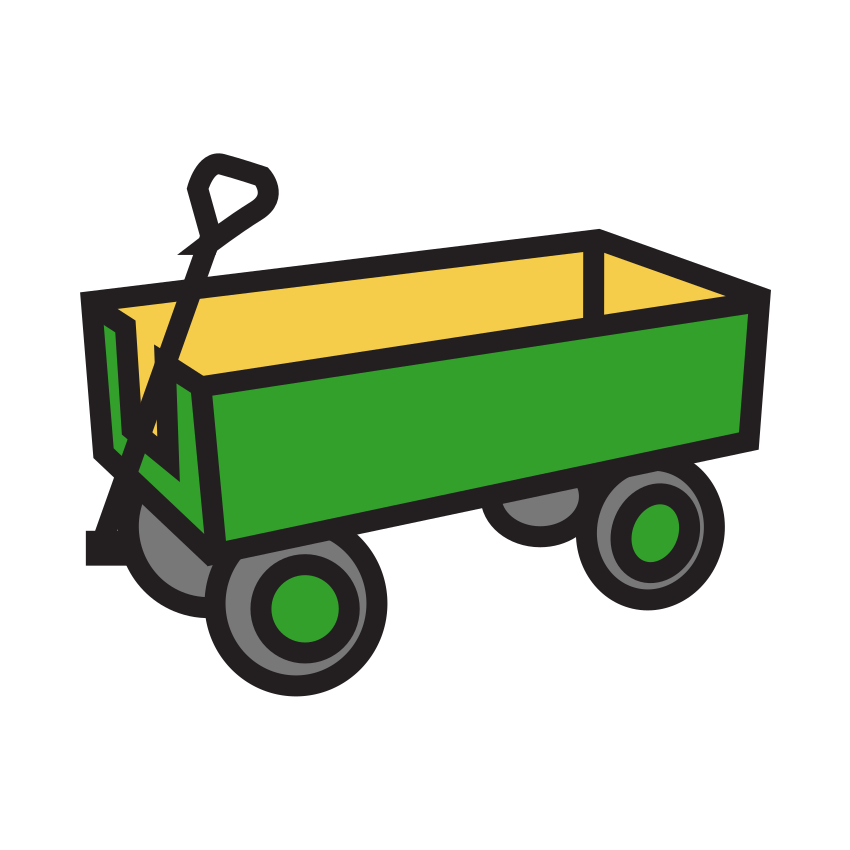
Ten short phrases with word-initial /w/: a wet wagon, a windy day, look out the window, wash my hands, a magic wand, a white web, wake up, walk in the woods, one wing, a cup of water. Several put two /w/ words side by side, so the child has to round the lips again straight away.
What to listen for
Listen for the lips not rounding, which can make /w/ sound like a vowel or like /v/ — a vet vagon. Watch the mouth rather than only listening; the rounding is easy to see. Notice whether the second /w/ in walk in the woods and a wet wagon is as clear as the first. Note that one begins with a /w/ sound even though it is spelled with an o, which is worth pointing out to an early reader.
Carrying it home
Water, wash and walk come up daily. Exaggerate the rounded lips a little when you model them, and let the child copy the shape in a mirror during hand washing.
What's in this activity
- a wet wagon
- a windy day
- look out the window
- wash my hands
- a magic wand
- a white web
- wake up
- walk in the woods
- one wing
- a cup of water
Questions
- What ages is this for?
- Pre-K through second grade.
- Is it free?
- Yes, the ten phrases play in the browser with no login.
- Why are phrases a separate step from words?
- A child who says wagon correctly on its own can still lose the /w/ when it comes after another word. Phrases are the place to build that before full sentences.
Use this board with your caseload
With a free account, every correct, cued and incorrect mark is saved to the student and scored against their IEP goal, with the data written up for you. Assign it as home practice through the parent portal.
Track progress freeFree for SLPs. No card, no trial clock.