Consonant Digraph Sounds (sh, ch, th, wh) — Drag Drop
Literacy · Grades 1–2 · 2 cards

Session summary (SOAP)
Stays on this screen. Nothing is saved or sent.
Mark a card Correct, Correct with cue or Incorrect and the summary writes itself here.
How to run it
Say the word before every move, including the ones that go in the wrong place. Ask for the digraph on its own first — sh — and then the word, which doubles the practice per item on a board that has fewer items than the flashcard deck. The second round is short, so use it as a warm-down rather than a session of its own.
Cueing ladder
Start at the top. Add support one step at a time.
- IndependentShow the card and wait 3 seconds for the student to read it.Log as correct
- Point to itPoint to the letter pattern that matters, or tap under each sound.Log as cued
- Sound it outSay the first sound together, then let the student blend the rest.Log as cued
- ModelRead it, tapping each sound; the student reads it after you.Log as cued
Adjust it
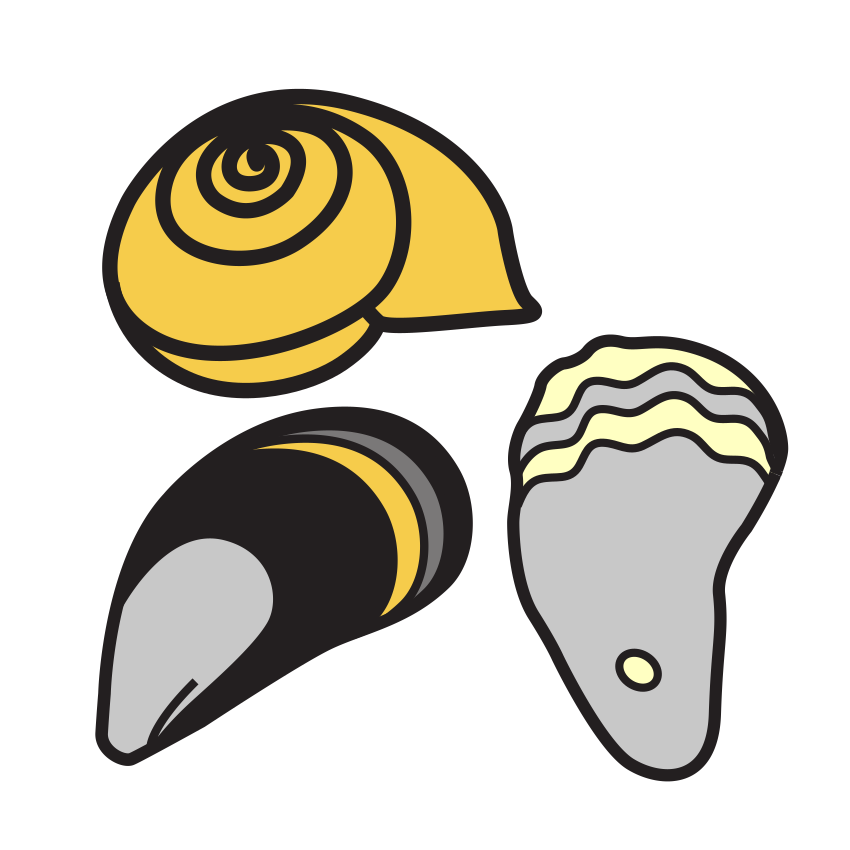
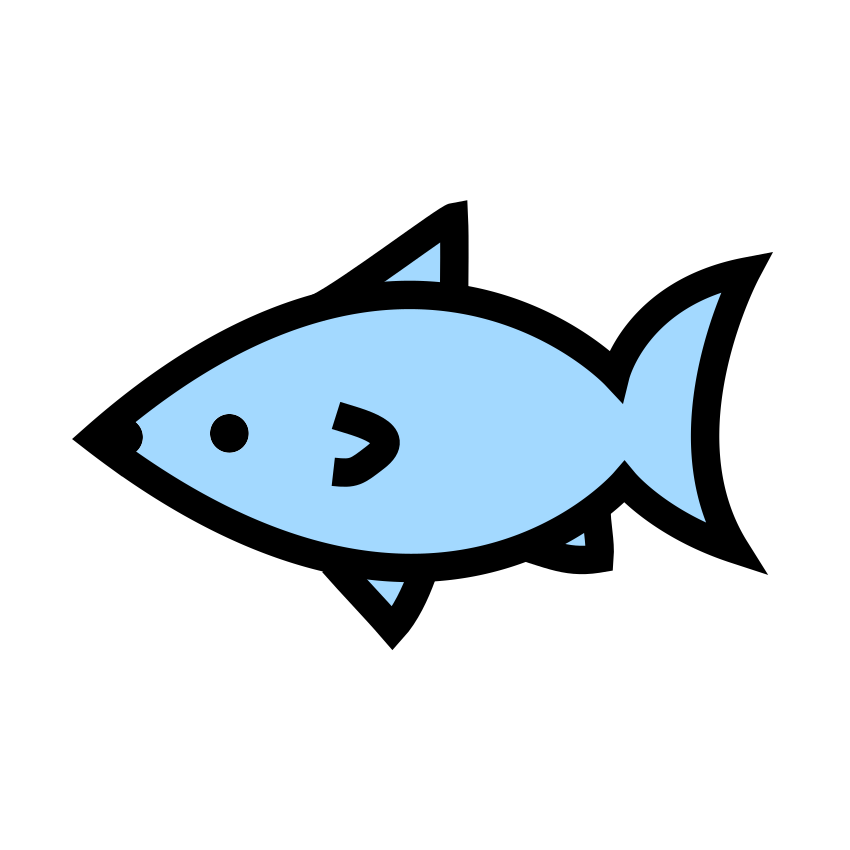
Use fewer cards and start with the patterns the student already reads, such as 'shell' and 'fish'.
Read the words in a sentence, or spell them from dictation.
Matching IEP goal
Given decodable word cards, such as 'shell' and 'fish', Student will read the target pattern accurately in 8 of 10 words across 3 consecutive sessions, given no more than a visual cue.
Send it home through the parent portal →About this activity
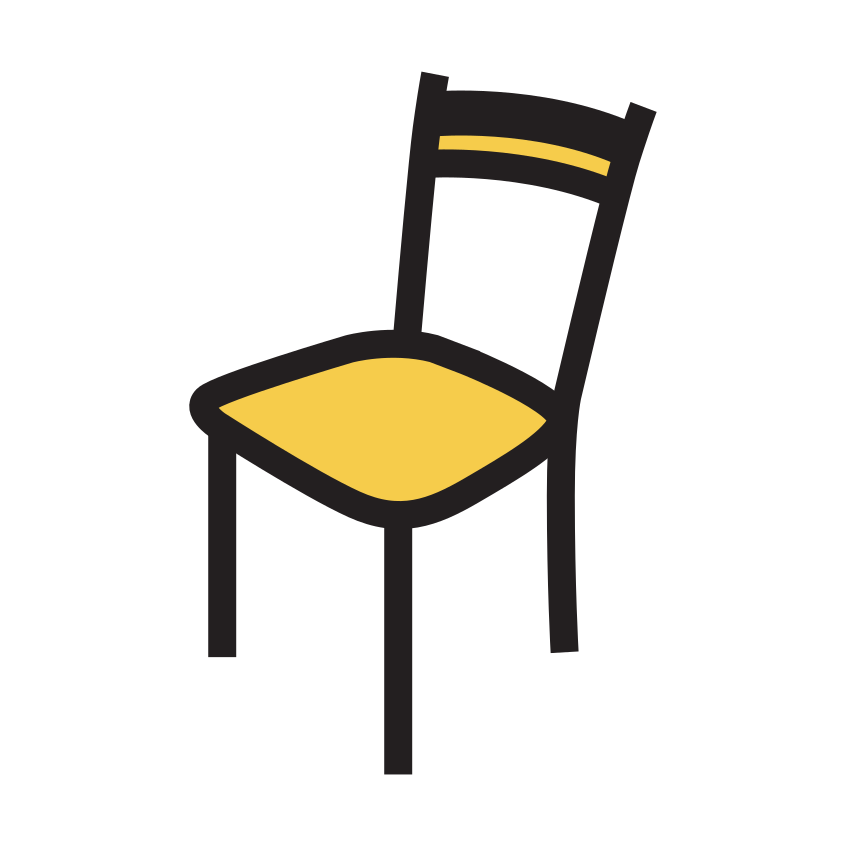
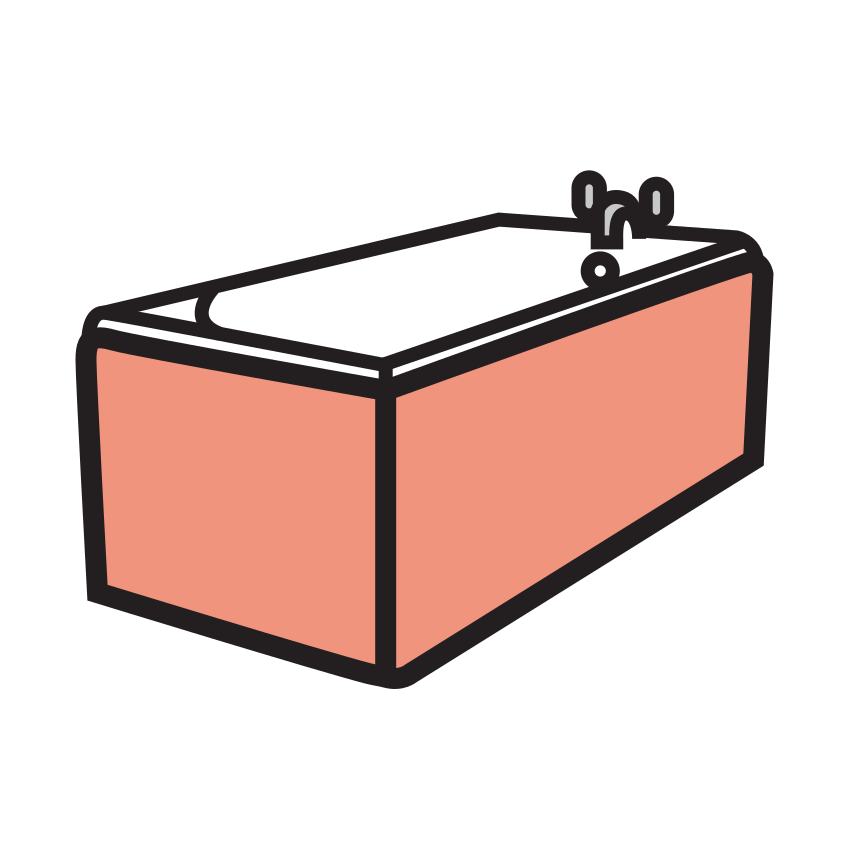
A drag-and-drop version of the digraph deck: shell, fish, chair, beach and bath in the first round, tooth and white in the second. Derived from the flashcard board, and the mechanic changes who it suits — a child who needs to move something in order to stay with a task will get more productions out of this than out of a card they only look at.
What to listen for
Watch the sound while the hands are busy. A digraph that is accurate on a flashcard and slips during a drag is not yet automatic, and that gap is closer to what conversation demands than a clean repetition is. Notice whether the child names the digraph or the letter names — ess-aitch rather than /sh/ means the unit has not formed yet.
Carrying it home
Moving objects while naming them works with anything. Sorting bath toys by their first sound costs nothing and uses exactly the same skill — and a child who has to pick a toy up before saying its name gets a second of thinking time that a flashcard never gives them.
What's in this activity
- shell
- fish
- chair
- beach
- bath
- tooth
- white
Questions
- How does this differ from the flashcards?
- Fewer words, and the student places each one rather than turning a card. It suits students who attend better with something to move.
- Do I need an account?
- No, it plays free in the browser.
- Which one should I use?
- The flashcards give more repetitions per minute and are the better main practice. This is a good second pass, or a first one for a student who needs the movement.
Use this board with your caseload
With a free account, every correct, cued and incorrect mark is saved to the student and scored against their IEP goal, with the data written up for you. Assign it as home practice through the parent portal.
Track progress freeFree for SLPs. No card, no trial clock.