Articulation Bingo — /r/
Bingo game targeting /r/ in all positions.
Drop here
Drop here
Drop here
Drop here











0/25 sorted
How to run it
Do not mix positions on the first pass. Vocalic /r/ is a different articulatory problem from initial /r/, and a child who has car and door will not necessarily have rain — call from one position group at a time until you know where the student is. Once you are calling freely, ask for the word in a carrier phrase before the student covers the square, which turns each square into three or four productions instead of one. Fifteen minutes is a full board with the phrase level included.
Cueing ladder
Start at the top. Add support one step at a time.
- IndependentThe student says the word on their turn before moving. Wait 3 seconds.Log as correct
- Visual cuePoint to your mouth, or show the mouth picture for /r/, before the student tries again.Log as cued
- Verbal modelSay the word; the student says it right after you.Log as cued
- Placement cueSides of your tongue up against your top back teeth, tip either lifted and pulled back or pointed down with the tongue bunched up. Lips slightly rounded, and the tip never touches the roof.Log as cued
Adjust it
Drop to syllables ('ra' and 'ree'), or use fewer cards.
Put each word in a short carrier phrase with no /r/ in it.
Matching IEP goal
Given picture cards, Student will produce /r/ in single words in 8 of 10 opportunities across 3 consecutive sessions, given no more than a visual cue.
Send it home through the parent portal →About this activity
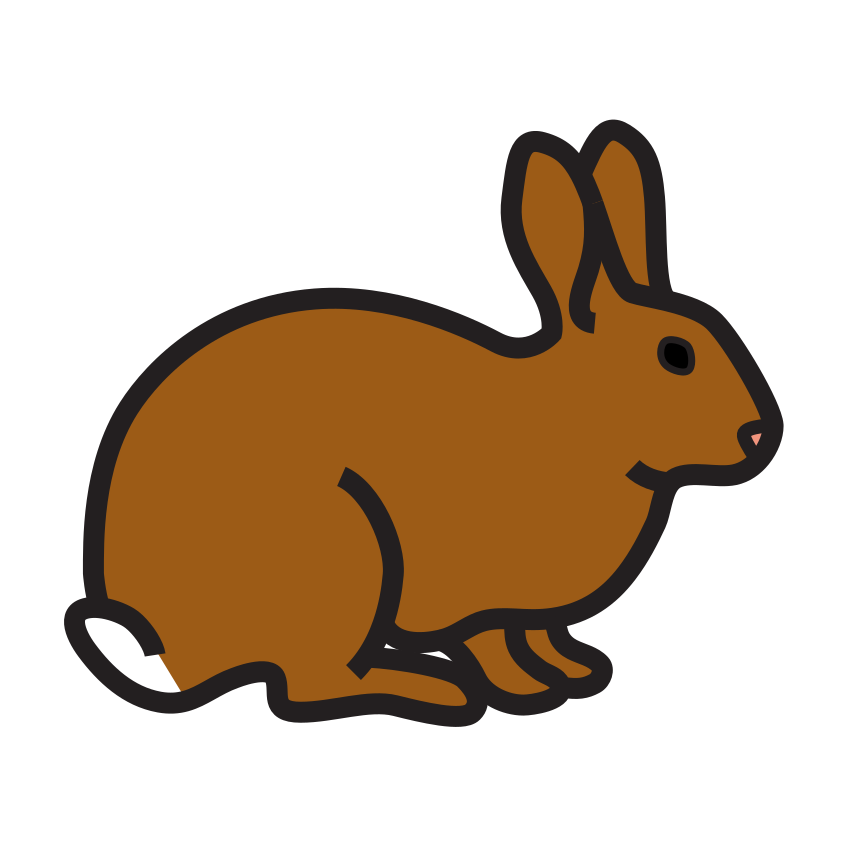
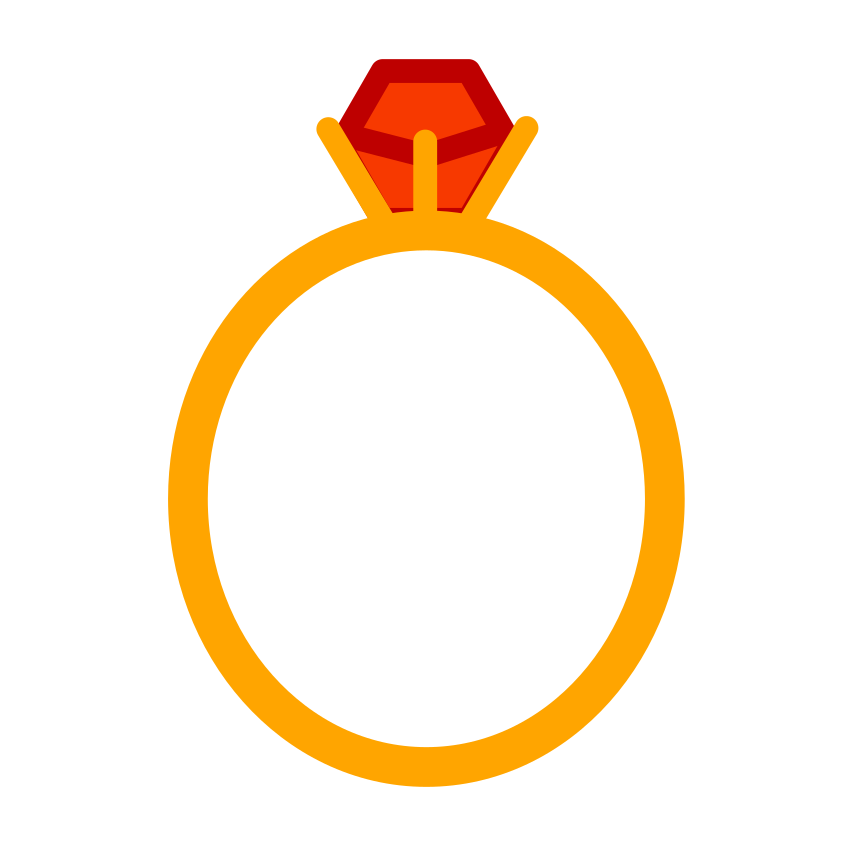
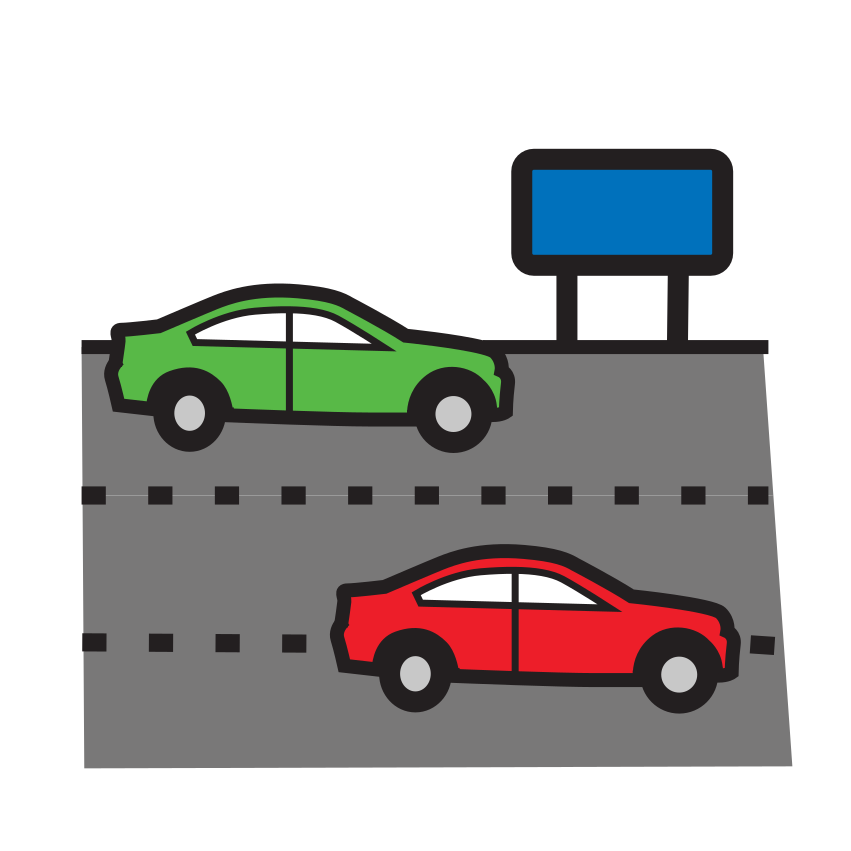
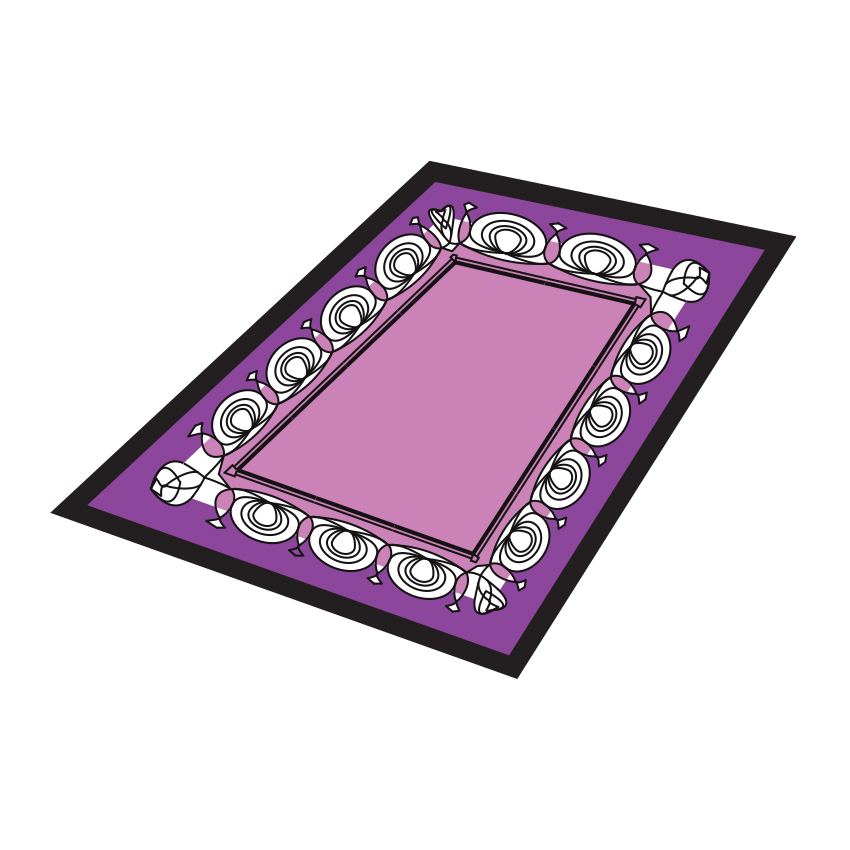
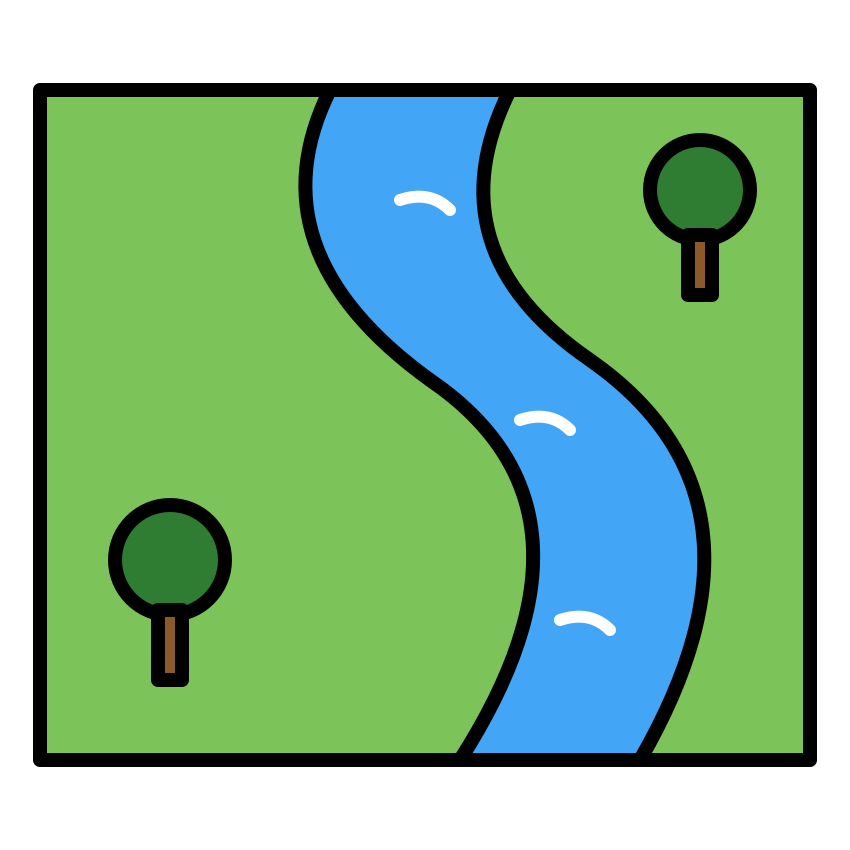
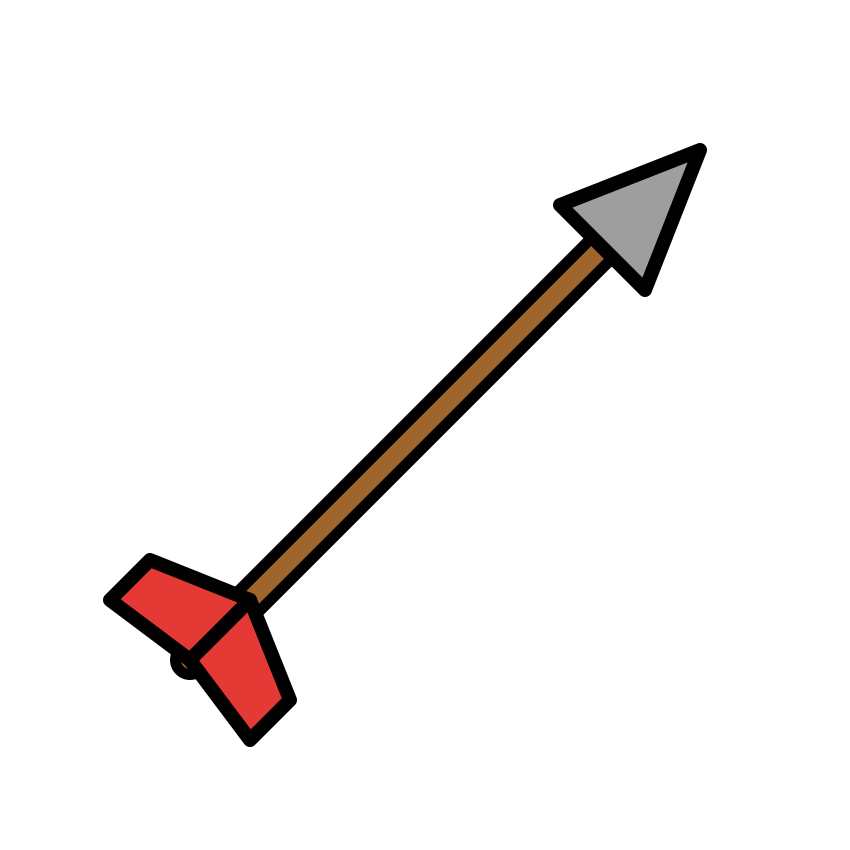
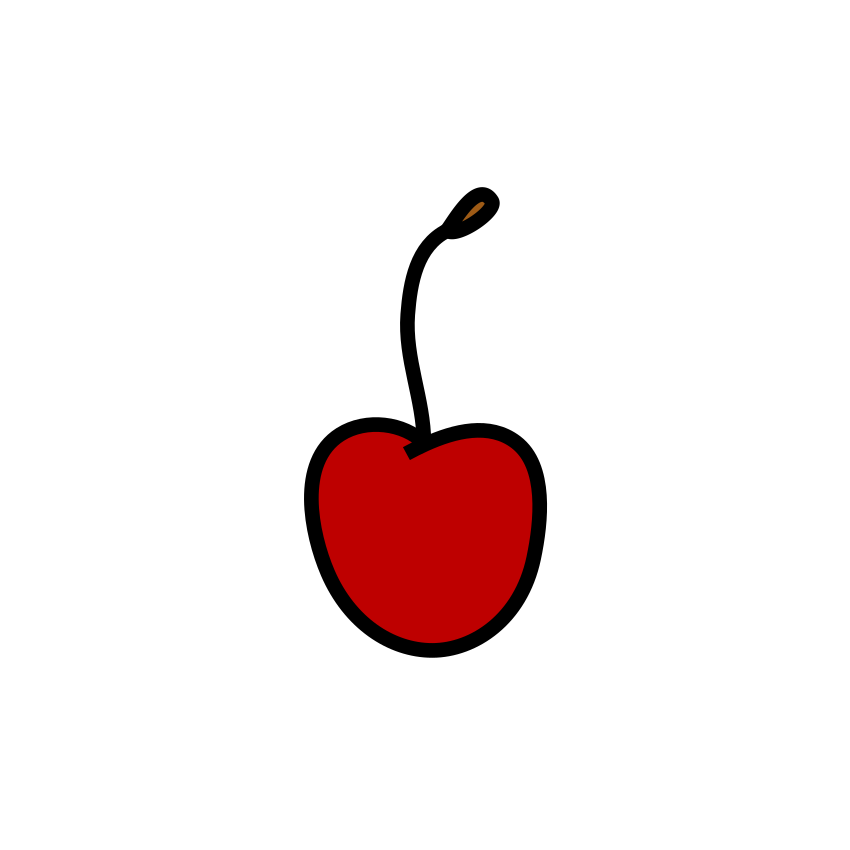
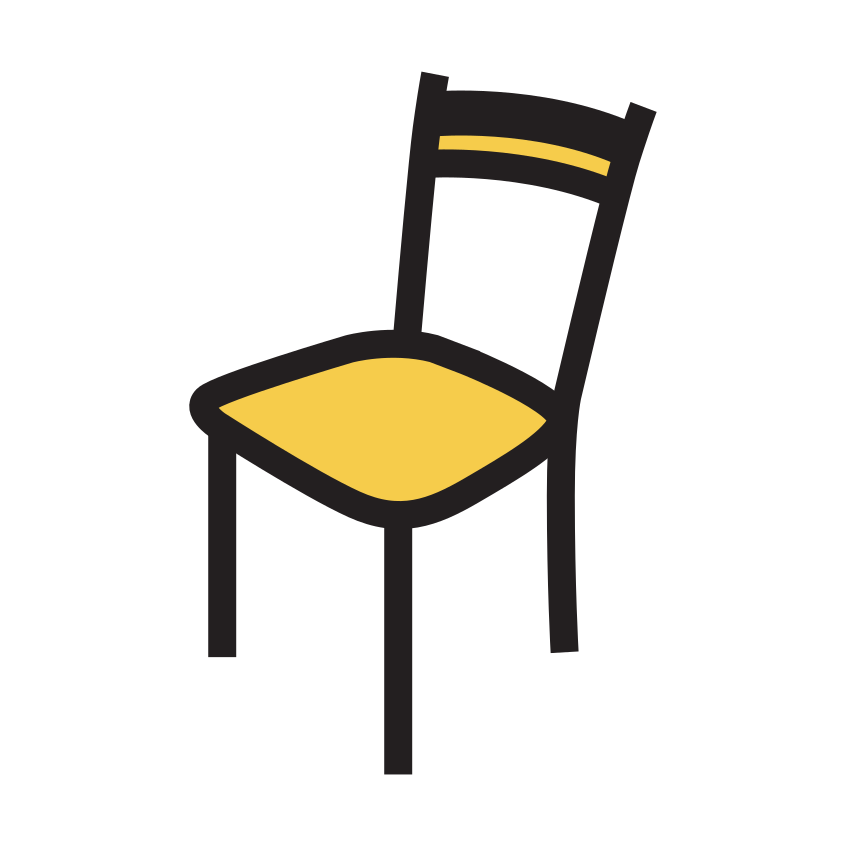
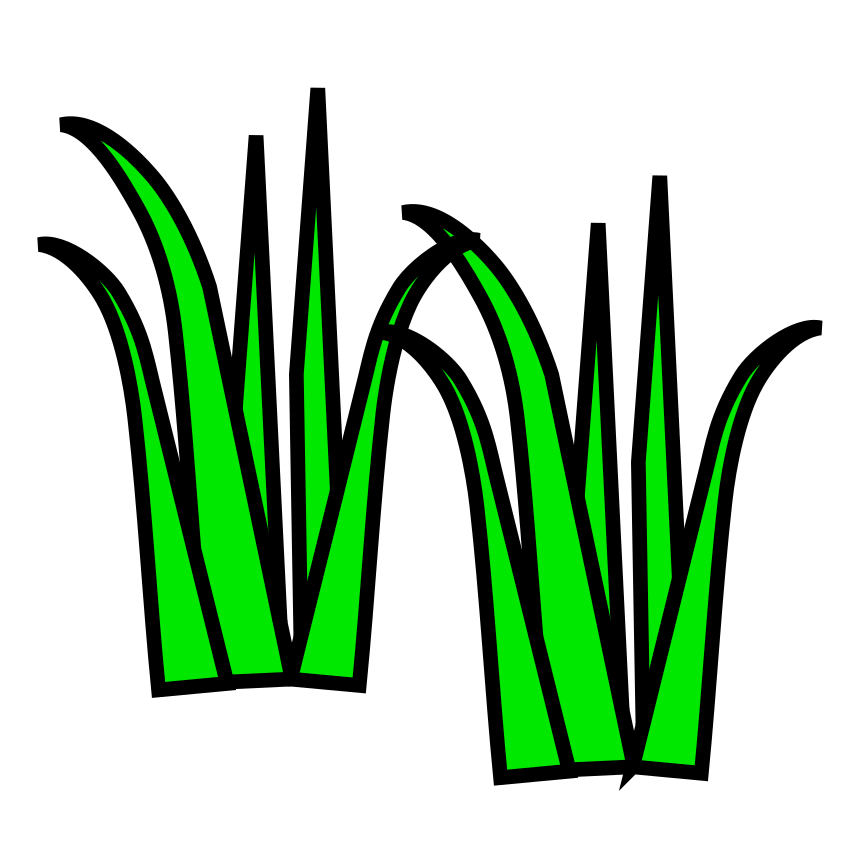
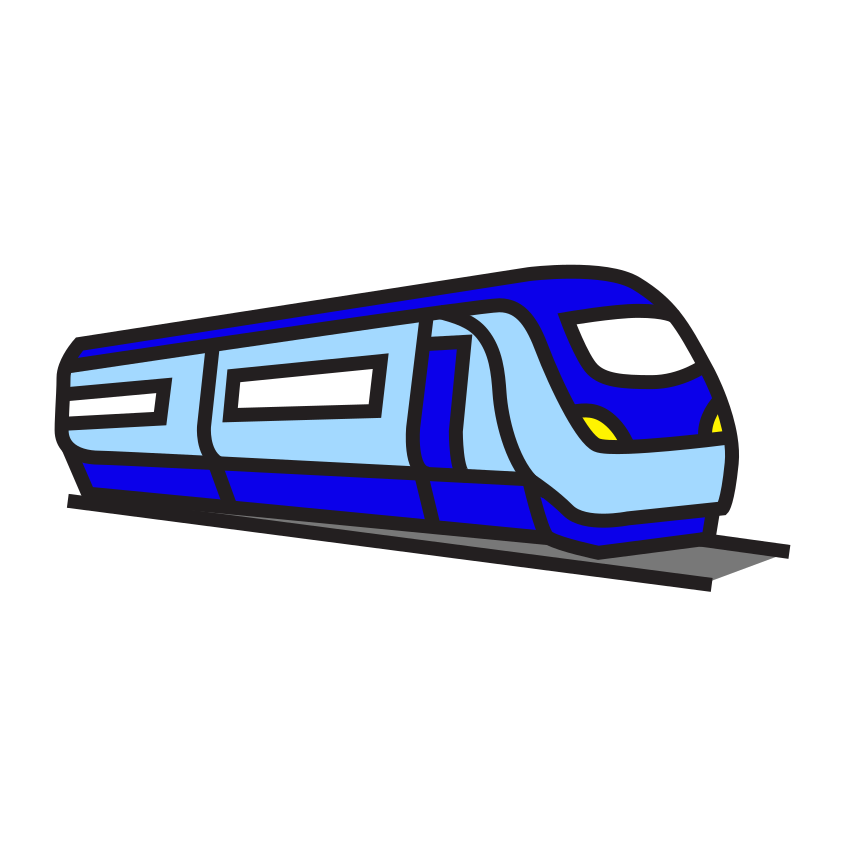
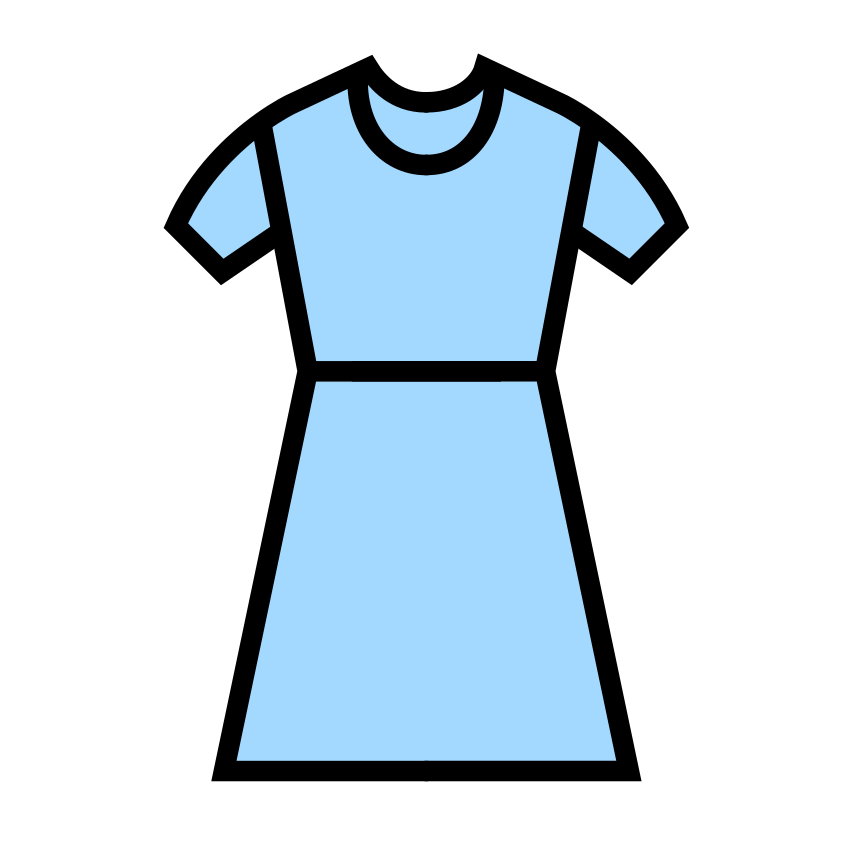
Twenty-five /r/ words sorted by position: rain, rabbit, red, ring, road, rope and rug for initial; carrot, parrot, arrow, cherry and orange for medial; car, star, door, chair and bear for vocalic; green, grass, bread, train and dress for the blends. Bingo is the excuse, and the reason it works is that a board of twenty-five squares buys you far more repetitions than a card deck of the same length.
What to listen for
Listen for position effects. /r/ is among the last English consonants to stabilise, and vocalic /r/ in car and star is often the variant that persists into secondary school, while initial /r/ in rain and red frequently comes first — though the order varies between children. The blends are a separate question again: green and bread can be correct while the singleton is not, because the preceding consonant does some of the tongue's work. Note which position the student is accurate in, because that is where stimulability lives and where the next target comes from.
Carrying it home
Send home only the position the student is currently accurate on. A family listening for rain and rug at breakfast is doing useful work; a family correcting every /r/ in the day is doing damage to both the sound and the mealtime. Five minutes of listening beats an hour of catching.
What's in this activity
- initial /r/
- medial /r/
- vocalic /r/
- /r/ blend
Questions
- What grades is this for?
- First through fifth. /r/ is a late-developing sound, and remains an active target well past the point where other sounds have settled.
- Do I need an account?
- No — the board plays free with no login and no card. An account adds assignment and goal scoring.
- Should I work on all /r/ positions at once?
- Usually not. Find the position the student can already produce with a model and build from there; mixing positions early tends to produce a lot of practice at a level the student cannot yet reach.
Use this board with your caseload
With a free account, every correct, cued and incorrect mark is saved to the student and scored against their IEP goal, with the data written up for you. Assign it as home practice through the parent portal.
Track progress freeFree for SLPs. No card, no trial clock.