/k/ and /g/ Flashcards
Early sounds /k/ and /g/ in initial position.

How to run it
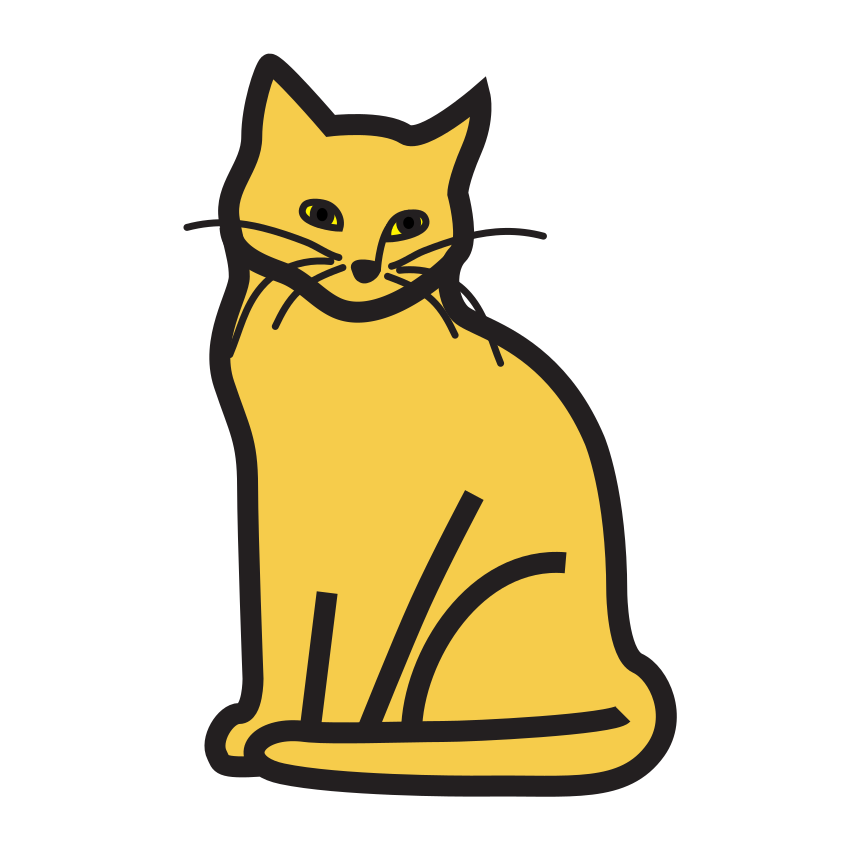
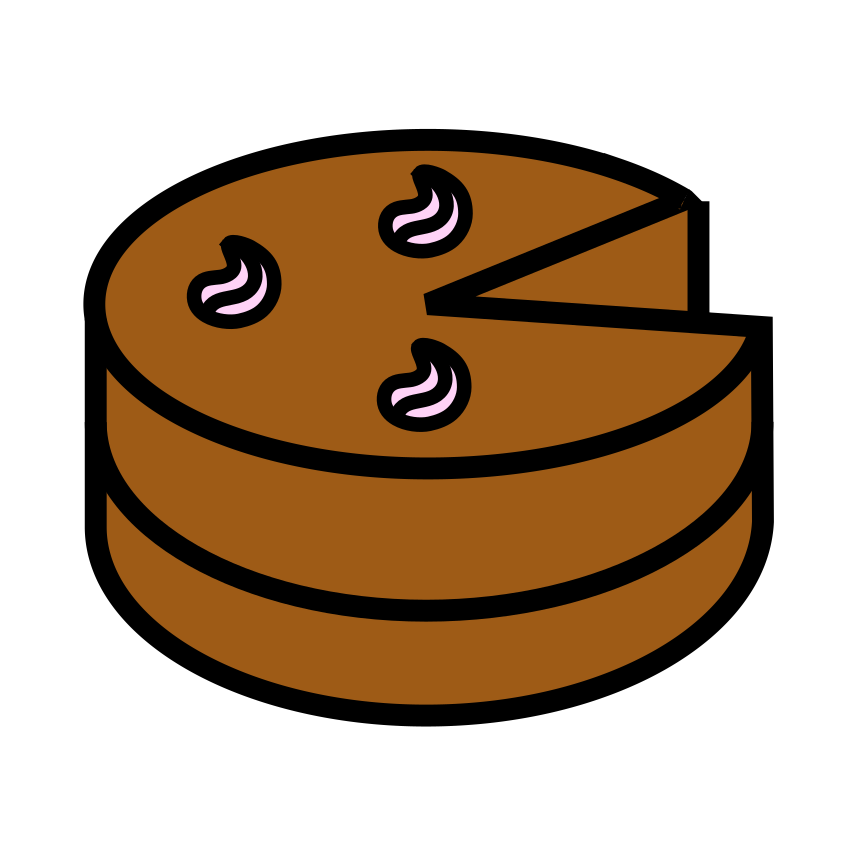
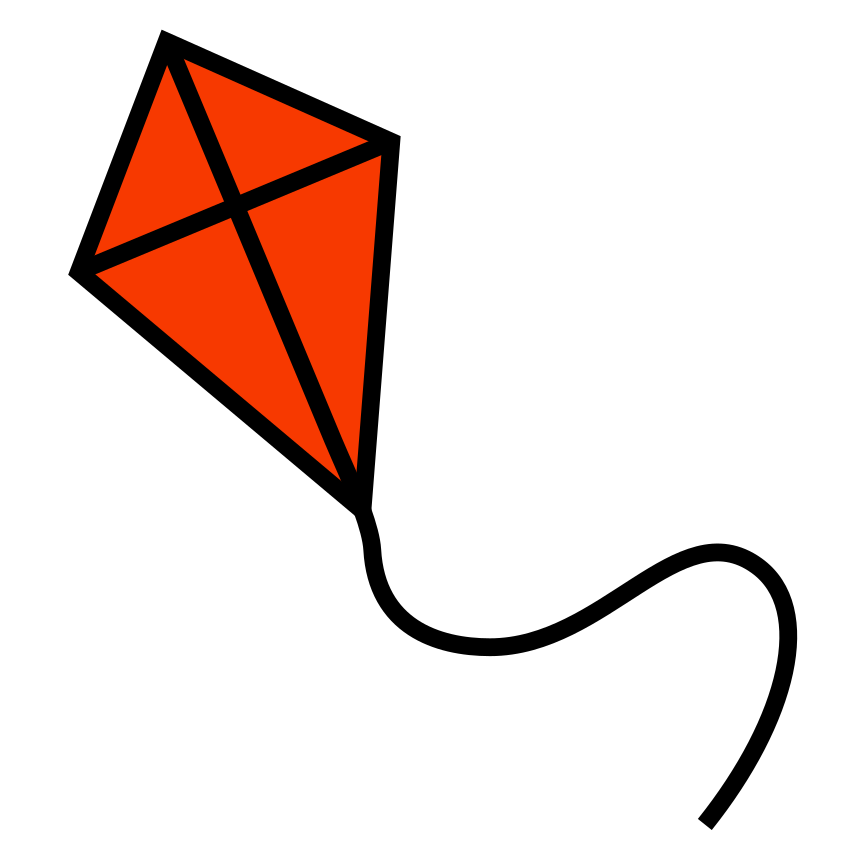
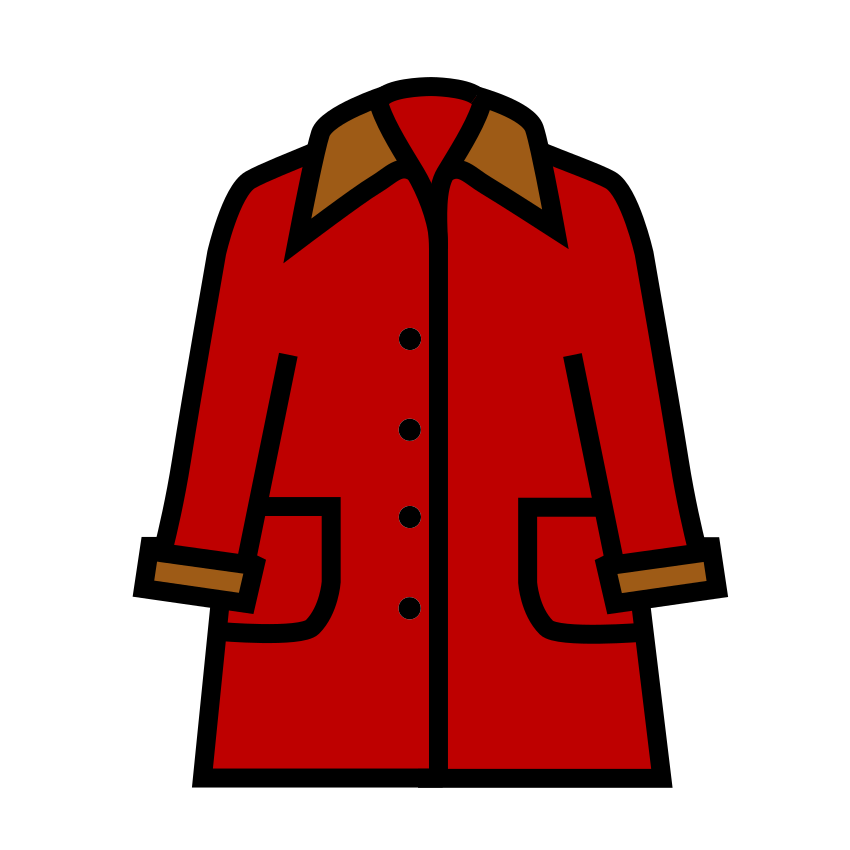
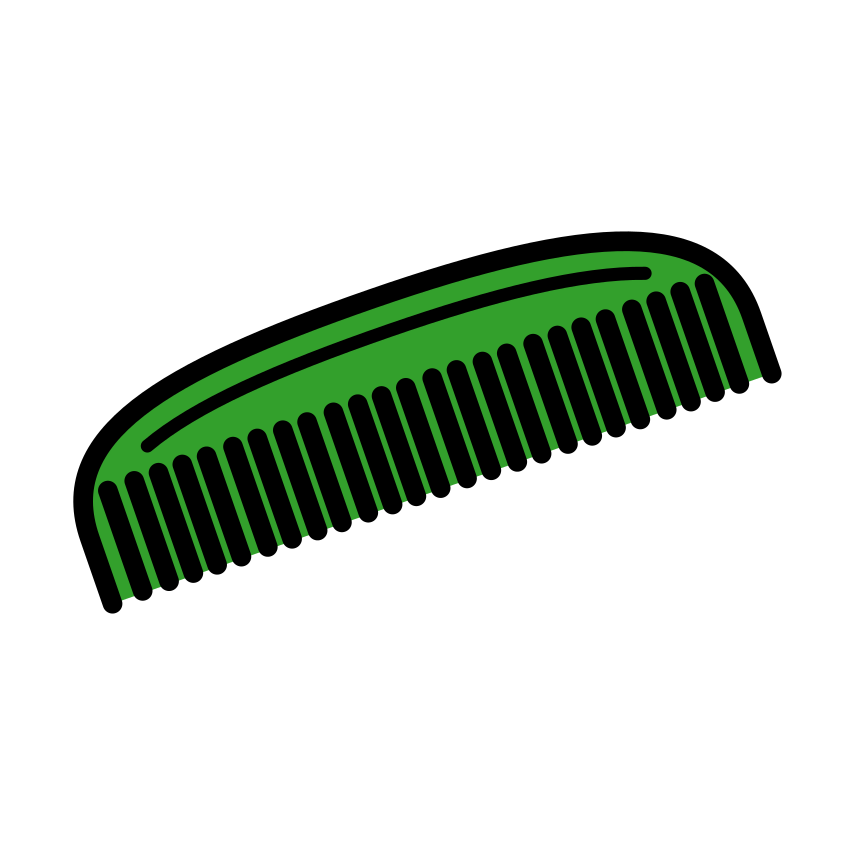
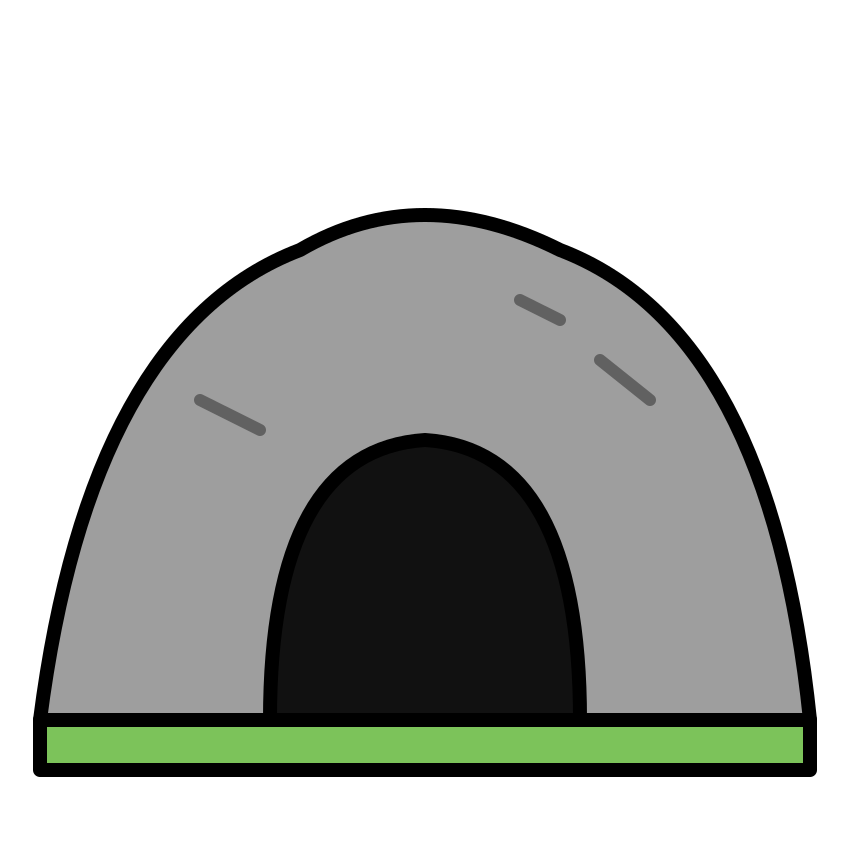
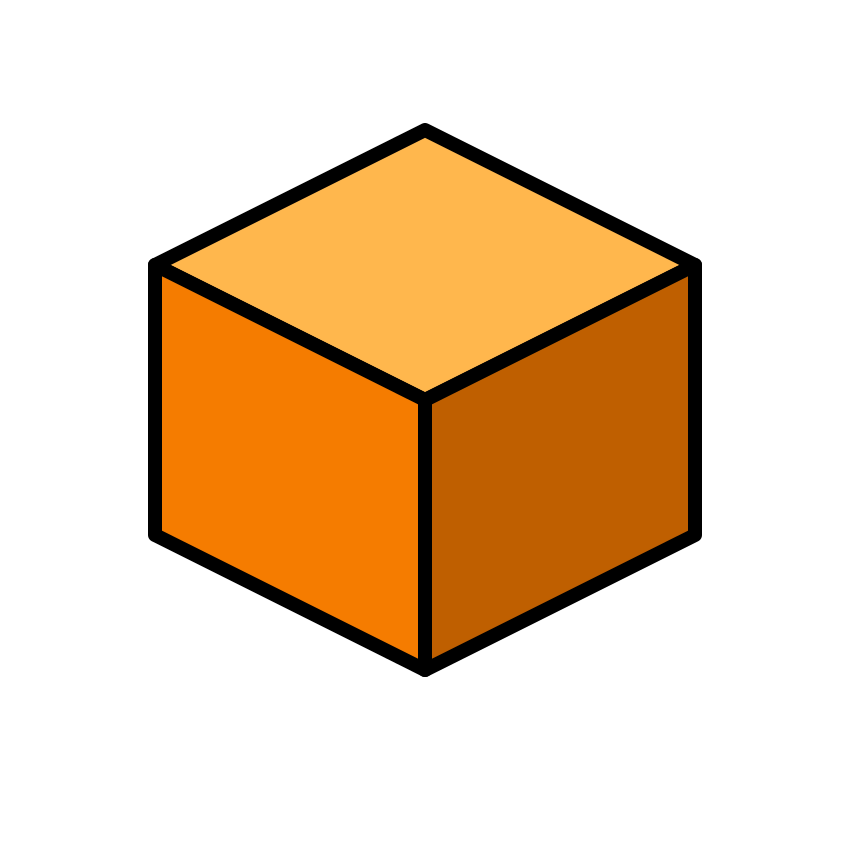
Nothing here is visible, so the cues have to be felt. Lying the child back, or having them hold their tongue tip down with a finger, moves the contact to the back where it belongs. Start with the words followed by a back vowel — coat, cup, comb — because the vowel pulls the tongue in the right direction; cat and kite have front vowels and are harder. Five minutes covers the eight.
Cueing ladder
Start at the top. Add support one step at a time.
- IndependentShow the card and wait 3 seconds for the student to say it.Log as correct
- Visual cuePoint to your mouth, or show the mouth picture for /k/ and /g/, before the student tries again.Log as cued
- Verbal modelSay the word; the student says it right after you.Log as cued
- Placement cueTongue tip down behind your bottom teeth, back of the tongue up to the back of the roof of your mouth: a quiet puff for /k/, voice on for /g/.Log as cued
Adjust it
Go back to /k/ and /g/ on their own or in syllables, and use fewer cards.
Put each word in a short carrier phrase with no /k/ or /g/ in it.
Matching IEP goal
Given picture cards, Student will produce /k/ and /g/ in single words in 8 of 10 opportunities across 3 consecutive sessions, given no more than a visual cue.
Send it home through the parent portal →About this activity
Eight words starting with /k/: cat, cup, cake, kite, coat, comb, cave, cube. Short, concrete and picturable, which is what a very young child needs. /k/ and /g/ are made at the back of the tongue and are among the sounds most often fronted in early speech, which is why they are grouped and why they are targeted young.
What to listen for
Listen for fronting across the whole set. Tat for cat means the contact has moved to the front of the tongue, and it almost always affects /g/ as well — a child who fronts /k/ and not /g/ is unusual and worth noting. Watch whether the vowel makes a difference: accuracy on cup and not on cat is a coarticulation effect and tells you where to start.
Carrying it home
Cat, cup and cake are among the first words a child uses. Modelling the word clearly rather than asking for a correction is the right approach at this age, when correction easily reduces how much a child says.
What's in this activity
- cat
- cup
- cake
- kite
- coat
- comb
- cave
- cube
Questions
- What ages is this for?
- Kindergarten through second grade, and it is often a target for preschoolers too.
- Is it free?
- Yes, all eight cards play with no account.
- My child says 'tat' for 'cat'. What is that?
- Fronting — the tongue is making contact at the front rather than the back. It usually affects /g/ as well, so it is worth working as a pattern across both sounds.
Use this board with your caseload
With a free account, every correct, cued and incorrect mark is saved to the student and scored against their IEP goal, with the data written up for you. Assign it as home practice through the parent portal.
Track progress freeFree for SLPs. No card, no trial clock.