Digraph Match (sh ch th wh)
Match pictures to their initial digraph.
Drop here
Drop here
Drop here
Drop here

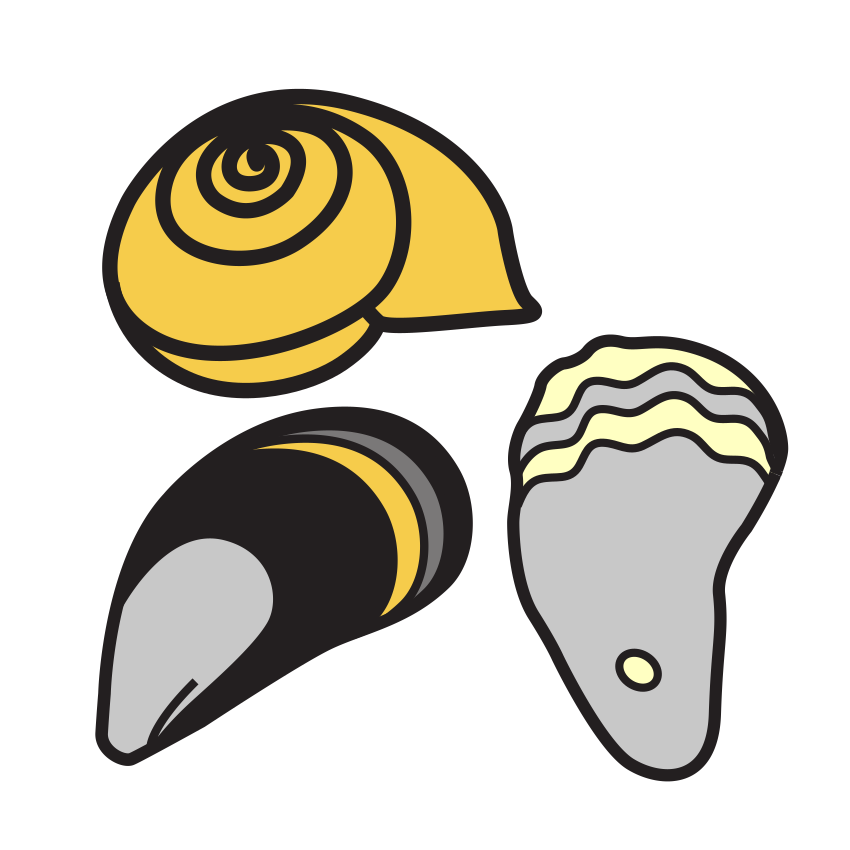
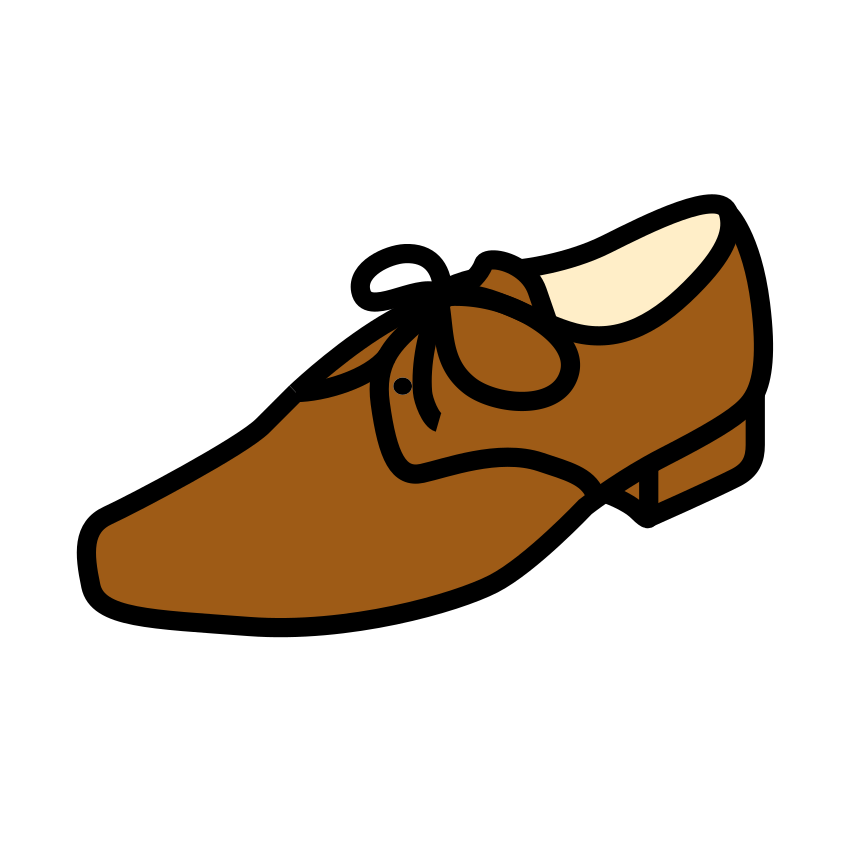
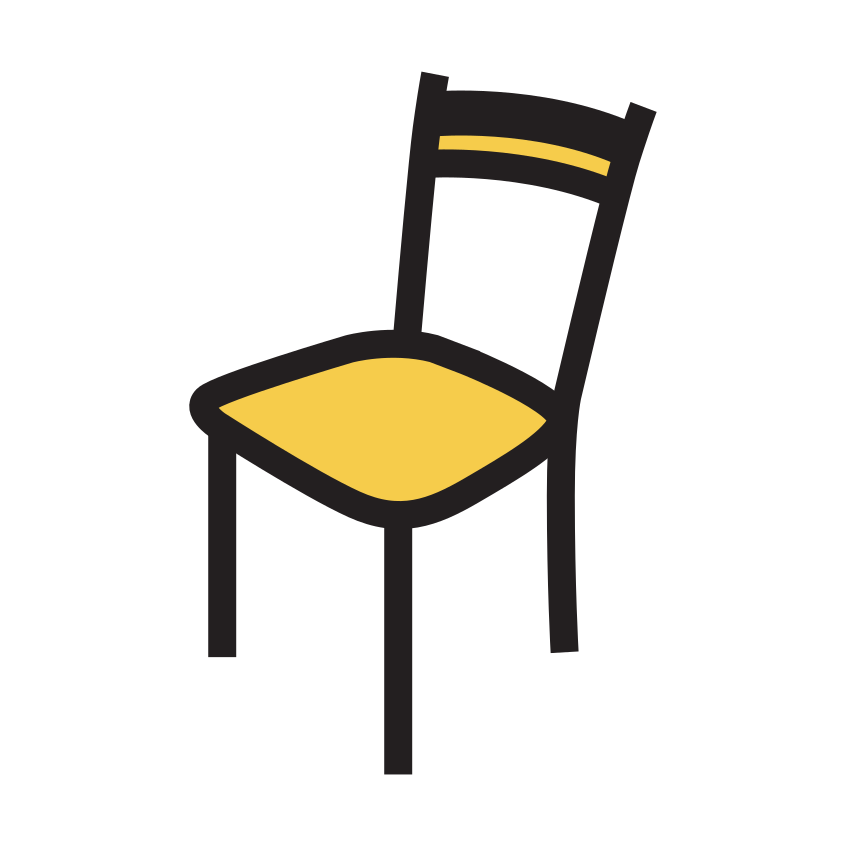

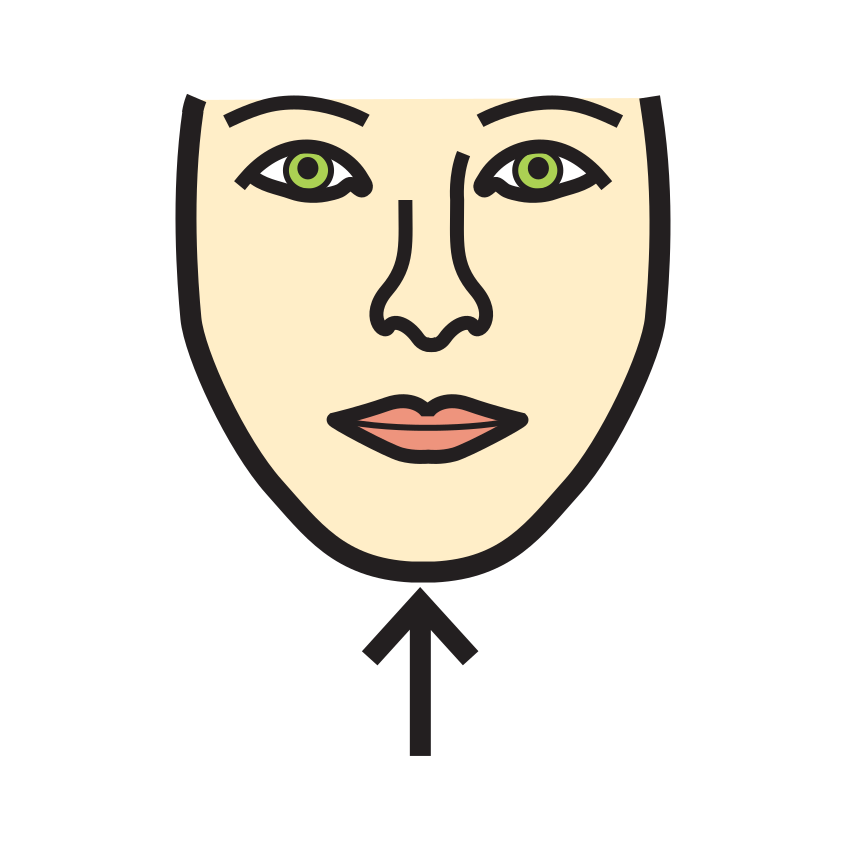



0/12 sorted
How to run it
Say the digraph sound rather than the letter names — /sh/ rather than ess-aitch — because the whole idea is that two letters make one sound. Do sh and ch first, which are maximally distinct, then add th and wh. Ask for another word in each category at the end, which tests whether the sound category exists for the student or only these twelve items do. Eight minutes covers all twelve.
Cueing ladder
Start at the top. Add support one step at a time.
- IndependentShow the card and wait 3 seconds for the student to read it.Log as correct
- Point to itPoint to the letter pattern that matters, or tap under each sound.Log as cued
- Sound it outSay the first sound together, then let the student blend the rest.Log as cued
- ModelRead it, tapping each sound; the student reads it after you.Log as cued
Adjust it
Use fewer cards and start with the patterns the student already reads, such as 'ship' and 'shell'.
Read the words in a sentence, or spell them from dictation.
Matching IEP goal
Given decodable word cards, such as 'ship' and 'shell', Student will read the target pattern accurately in 8 of 10 words across 3 consecutive sessions, given no more than a visual cue.
Send it home through the parent portal →About this activity
Twelve pictures matched to their opening digraph: ship, shell and shoe to sh; chair, cheese and chin to ch; thumb, thorn and think to th; whale, wheel and whisper to wh. Three examples of each is enough for the pattern to be visible and few enough that a first or second grader can hold all four categories at once.
What to listen for
Watch sh against ch, which is the confusion that persists. Both are made in a similar place and the difference is whether the airflow starts with a stop, so a student who mixes ship and chip may have a discrimination difficulty worth checking rather than a phonics gap. Notice wh, which in most accents now sounds identical to /w/ — a student who cannot hear it apart is hearing accurately.
Carrying it home
Digraph words are common enough to spot anywhere: shoe, chair, thumb, wheel. Naming the two letters and the one sound takes a second and needs no materials.
What's in this activity
- sh
- ch
- th
- wh
Questions
- What grades is this for?
- First through third, as phonics work.
- Is it free?
- Yes, no account and no card needed.
- My student can't hear the difference between wh and w. Is that a concern?
- In most accents there is no longer a difference to hear. Teaching wh as a spelling pattern for the /w/ sound is more honest than insisting on a distinction the student does not encounter.
Use this board with your caseload
With a free account, every correct, cued and incorrect mark is saved to the student and scored against their IEP goal, with the data written up for you. Assign it as home practice through the parent portal.
Track progress freeFree for SLPs. No card, no trial clock.