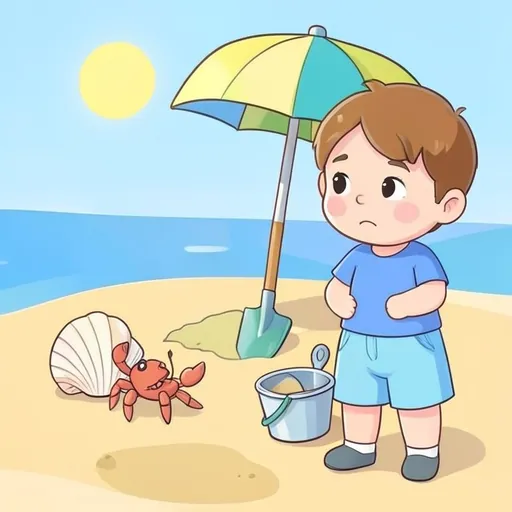
What Changed? At the Beach
- Game
- PreK–2
- 1 page · 8 min
A visual memory game with 10 beach pictures. Study the board, then spot what changed: shell, crab, umbrella and boat and more. Built for grades PreK–2, it works in pull-out, push-in, or teletherapy, in about 8 minutes. Sample stimuli: shell, crab, umbrella, boat, sun, and more. Plays in the browser with no login; add students to score trials against IEP goals.
What changed?
What Changed? At the Beach
Look carefully and remember!
How to run it
Name every picture together first, so the student has a word for the shell and the crab as well as a picture. Give enough time to study the board, then let the student find the change. Afterwards ask them to name what was there before and what took its place.
Cueing ladder
Start at the top. Add support one step at a time.
- IndependentGive the student time to study the board, then let them find what changed on their own. Wait 5 seconds before helping.Log as correct
- Name themOn the next round, have the student name every picture aloud before the board hides them.Log as cued
- Narrow itSay which row or half of the board the change is in, then let the student find it.Log as cued
- ModelName the picture that left and the one that arrived, then play the next round.Log as cued
Adjust it
Name the pictures together first, give longer to look, and start with the pictures the student knows best.
Shorten the study time, or ask the student to say what used to be there before they point to the change.
Matching IEP goal
Given a set of 4 to 6 beach pictures, Student will identify the picture that changed after a short delay in 8 of 10 opportunities across 3 consecutive sessions, given no more than one verbal rehearsal prompt.
Send it home through the parent portal →About this activity
Ten things from a day at the beach. The board shows a set of beach pictures, including shell, crab, umbrella, boat and sun. The student studies them, the board hides them for a moment, and one picture is swapped for a new one. The student finds what changed. It builds visual memory and careful looking, and naming the pictures adds vocabulary practice.
What to listen for
Notice how the student studies the board: some name each picture under their breath, others look at one corner. Students who name the pictures usually find the change faster. Watch whether errors cluster in one part of the board, which can point to a scanning pattern rather than a memory one.
Carrying it home
Lay out a few beach or bath toys, such as a bucket, a shovel and a ball, and name each one. Then swap one thing while your child closes their eyes, and ask what changed. Take turns being the one who swaps.
What's in this activity
- shell
- crab
- umbrella
- boat
- sun
- wave
- ball
- bucket
- shovel
- seagull
Questions
- Is this the same as a matching memory game?
- No. In a matching game the student remembers where things are. Here they remember the whole set, such as the umbrella and the boat, and notice the one thing that is different.
- How can I make it harder?
- Give less time to study the board, or ask the student to name the picture that left before they point to the new one.
Use this board with your caseload
With a free account, every correct, cued and incorrect mark is saved to the student and scored against their IEP goal, with the data written up for you. Assign it as home practice through the parent portal.
Track progress freeFree for SLPs. No card, no trial clock.