Sight Word Flash — Primer — Drag Drop
Literacy · Grades K–2 · 1 card


How to run it
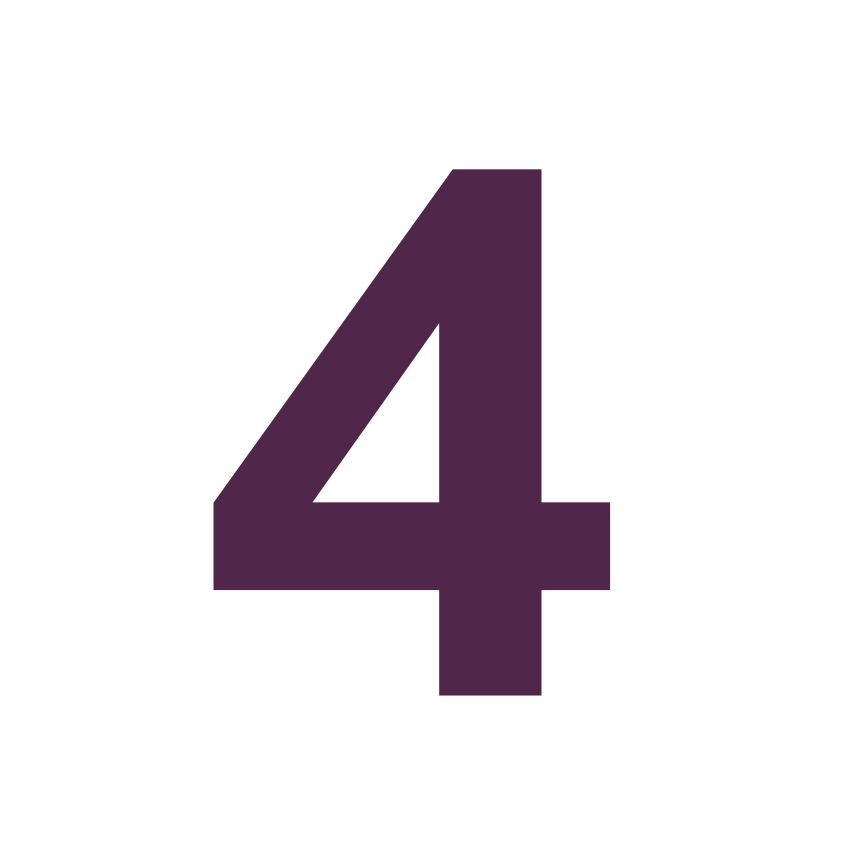
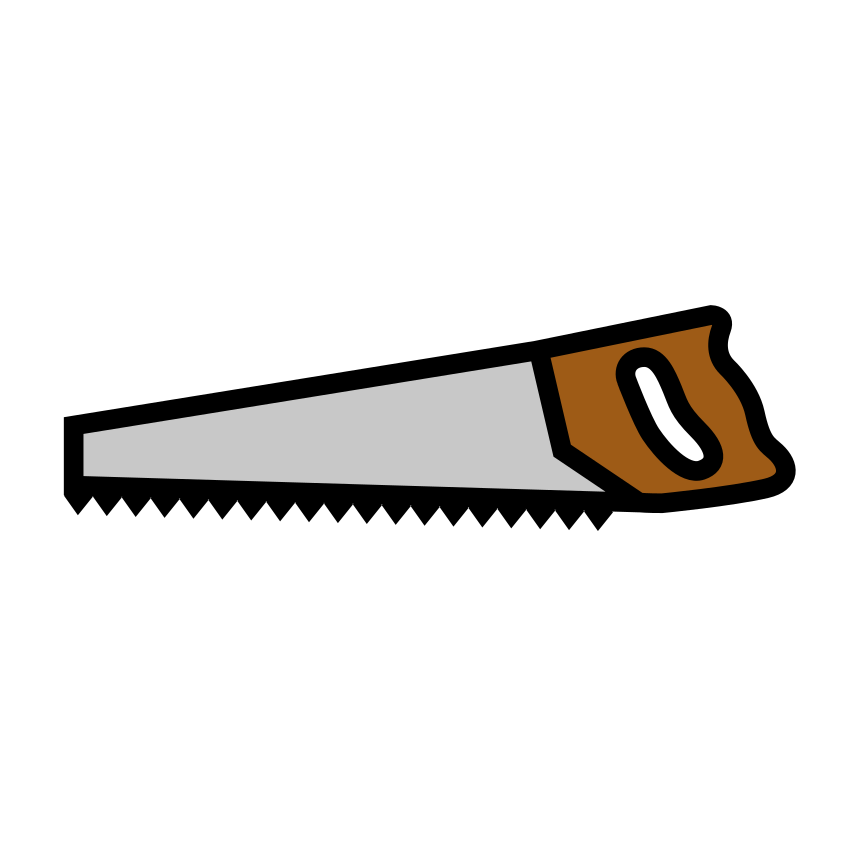
Ask for the word quickly before each move rather than letting the child sound it out. Four and saw are the interesting ones here — four cannot be decoded and saw is often confused with was, which is the same letters in the other order. Point that pair out directly, since a child who is reversing will not spot it themselves.
Cueing ladder
Start at the top. Add support one step at a time.
- IndependentShow the word and wait 3 seconds for the student to read it.Log as correct
- First soundCover all but the first letter and let them try again.Log as cued
- Two choicesSay two words and let the student pick the one on the card.Log as cued
- ModelRead the word; the student reads it after you and traces it once.Log as cued
Adjust it
Work on 5 words at a time, mixing 3 known with 2 new.
Read the words in short sentences, or spell them from memory.
Matching IEP goal
Given sight word cards, such as 'black' and 'brown', Student will read the words in 8 of 10 opportunities within 3 seconds each, across 3 consecutive sessions.
Send it home through the parent portal →About this activity
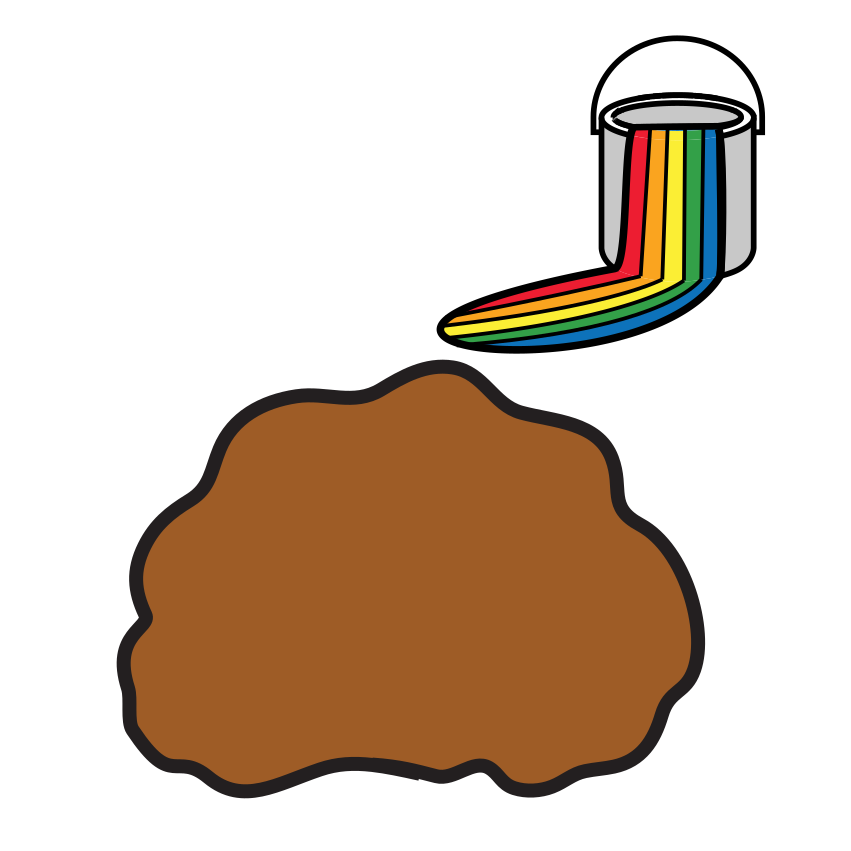
A five-word drag-and-drop round — black, brown, four, saw, white — drawn from the fifty-two-word primer sight word deck. Three colours, a number and a verb, which makes it a small mixed set: four of the five can be attached to something concrete and saw cannot.
What to listen for
Watch saw and was. The reversal is extremely common in early readers and is a visual sequencing issue rather than a knowledge gap. Notice whether black, brown and white are being distinguished by their first letters or read as wholes — a child using only the first letter will confuse brown and black.
Carrying it home
Colour words appear in every early book. Pointing at one and asking for it fast, rather than sounding it out, is what builds recognition rather than decoding.
What's in this activity
- black
- brown
- four
- saw
- white
Questions
- How does this differ from the flashcards?
- It uses five of the fifty-two words and asks the child to place each one. It is a short check rather than the main deck.
- Is it free?
- Yes, no account or card needed.
- My child reads 'saw' as 'was'. Is that dyslexia?
- Not on its own — reversing saw and was is very common in early readers and usually resolves. It is worth noting alongside other signs rather than treated as one on its own.
Use this board with your caseload
With a free account, every correct, cued and incorrect mark is saved to the student and scored against their IEP goal, with the data written up for you. Assign it as home practice through the parent portal.
Track progress freeFree for SLPs. No card, no trial clock.