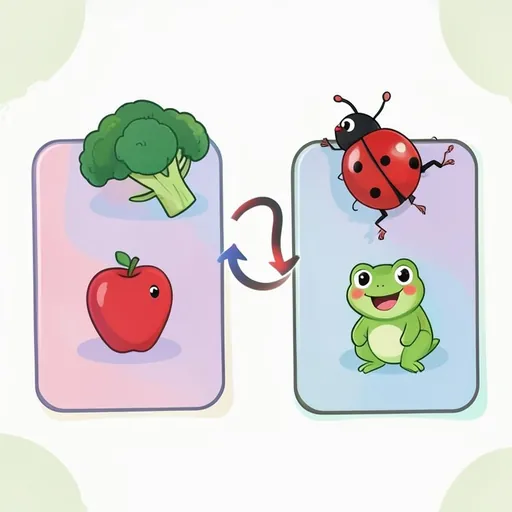
Rule Switch: Food or Animal, Then Red or Green
- Game
- PreK–2
- 1 page · 8 min
Sort pictures by what it is, then the rule switches and the same pictures are sorted by color: apple, strawberry, broccoli and cucumber and more. Built for grades PreK–2, it works in pull-out, push-in, or teletherapy, in about 8 minutes. Sample stimuli: apple, strawberry, broccoli, cucumber, crab, and more. Plays in the browser with no login; add students to score trials against IEP goals.
Rule switch
Rule Switch: Food or Animal, Then Red or Green
Sort by what it is
How to run it
Say the first rule together before the first picture: 'We are sorting by what it is.' Let the student sort without help, then stop at the New rule! screen and have the student say the new rule back to you before going on. After the board, go back to a picture like broccoli and ask why it went in a different bin the second time.
Cueing ladder
Start at the top. Add support one step at a time.
- IndependentLet the student sort each picture on their own and wait 5 seconds before helping.Log as correct
- Say the ruleAsk 'What are we sorting by now?' and wait for the student to say color or what it is.Log as cued
- Ask the questionAsk the question the rule stands for, such as 'Is it red or green?'Log as cued
- ModelSort one picture while thinking aloud about the rule, then the student sorts the next.Log as cued
Adjust it
Play only the first rule twice, then add the switch once the first sort is easy.
Do not read the New rule! screen aloud; the student reads it and says the new rule.
Matching IEP goal
Given a picture sort with a rule change, Student will sort by the new rule (color) without using the old one in 8 of 10 opportunities across 3 consecutive sessions.
Send it home through the parent portal →About this activity
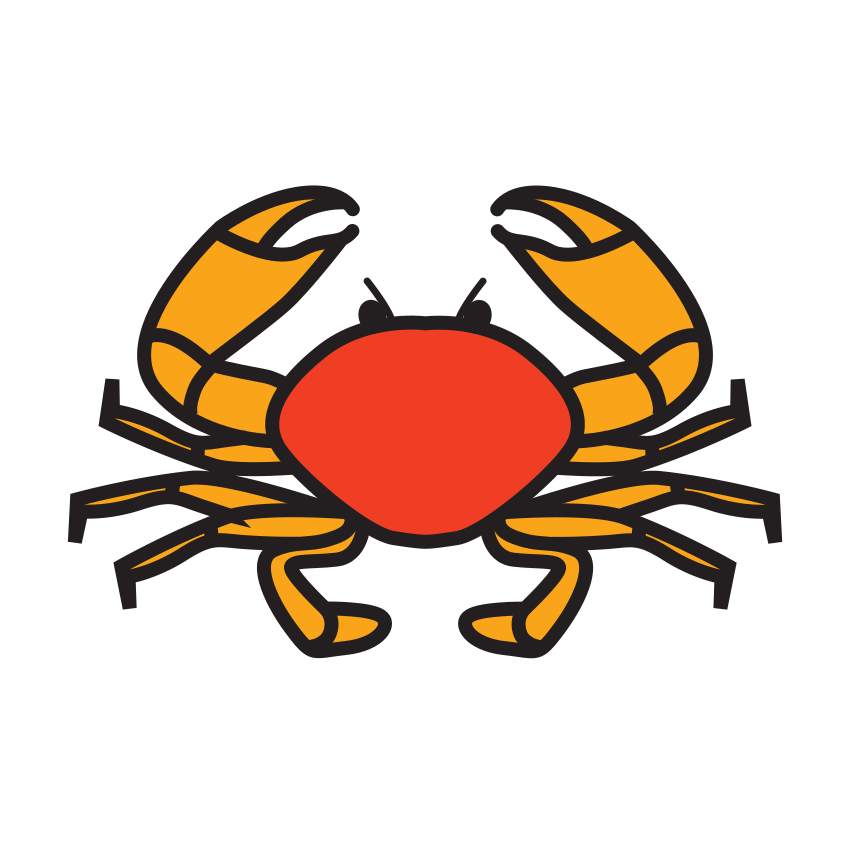
A first card sort for young students, with eight bright pictures that are either food or animals and either red or green. The board has two bins. First the student sorts every picture by what it is: food (apple, strawberry and broccoli) or animals (crab, ladybug and frog). Then a New rule! screen appears and the same pictures come back to be sorted by color, red or green. Some pictures, such as broccoli, change bin when the rule changes, and those are the ones that show whether the student let go of the first rule.
What to listen for
Young students often keep sorting by what it is after the switch, putting the crab with the animals when the rule is color. The session summary marks any picture sorted by the old rule after the switch as perseverative, so you can tell a slip in category knowledge from getting stuck on the first rule. Count how many pictures it takes after the switch before the new rule holds.
Carrying it home
Gather red and green things at home, such as an apple, a green cup, a red sock and a leaf. Sort them by what they are, then say 'New rule!' and sort them by color. Take turns choosing the new rule.
What's in this activity
- apple
- strawberry
- broccoli
- cucumber
- crab
- ladybug
- frog
- turtle
Questions
- What does this practise?
- Cognitive flexibility, also called set shifting: following one rule, then dropping it for a new one when the rule changes, even though the old rule still seems to work.
- Why do the same pictures come back?
- Sorting the same pictures twice means only the rule has changed. A picture like broccoli belongs in one bin under the first rule and the other bin under the second, so the student has to think again.
Use this board with your caseload
With a free account, every correct, cued and incorrect mark is saved to the student and scored against their IEP goal, with the data written up for you. Assign it as home practice through the parent portal.
Track progress freeFree for SLPs. No card, no trial clock.