/l/ Initial Flashcards
Flashcard drill for /l/ in word-initial position.




How to run it
Use a mirror. /l/ is one of the sounds a child can see being made — the tongue tip goes up behind the top teeth — and watching is faster than any verbal description. Ask the child to hold the sound before the vowel: llllleg gives the tongue time to arrive. Five minutes covers the ten, which makes this a short activity to pair with something else.
Cueing ladder
Start at the top. Add support one step at a time.
- IndependentShow the card and wait 3 seconds for the student to say it.Log as correct
- Visual cuePoint to your mouth, or show the mouth picture for /l/, before the student tries again.Log as cued
- Verbal modelSay the word; the student says it right after you.Log as cued
- Placement cueTongue tip up on the bumpy ridge behind your top teeth, and keep it there while your voice flows out around the sides of your tongue.Log as cued
Adjust it
Drop to syllables ('la' and 'lee'), or use fewer cards.
Put each word in a short carrier phrase with no /l/ in it or mix in /l/ words from another position.
Matching IEP goal
Given picture cards, Student will produce /l/ in the word-initial position in single words in 8 of 10 opportunities across 3 consecutive sessions, given no more than a visual cue.
Send it home through the parent portal →About this activity
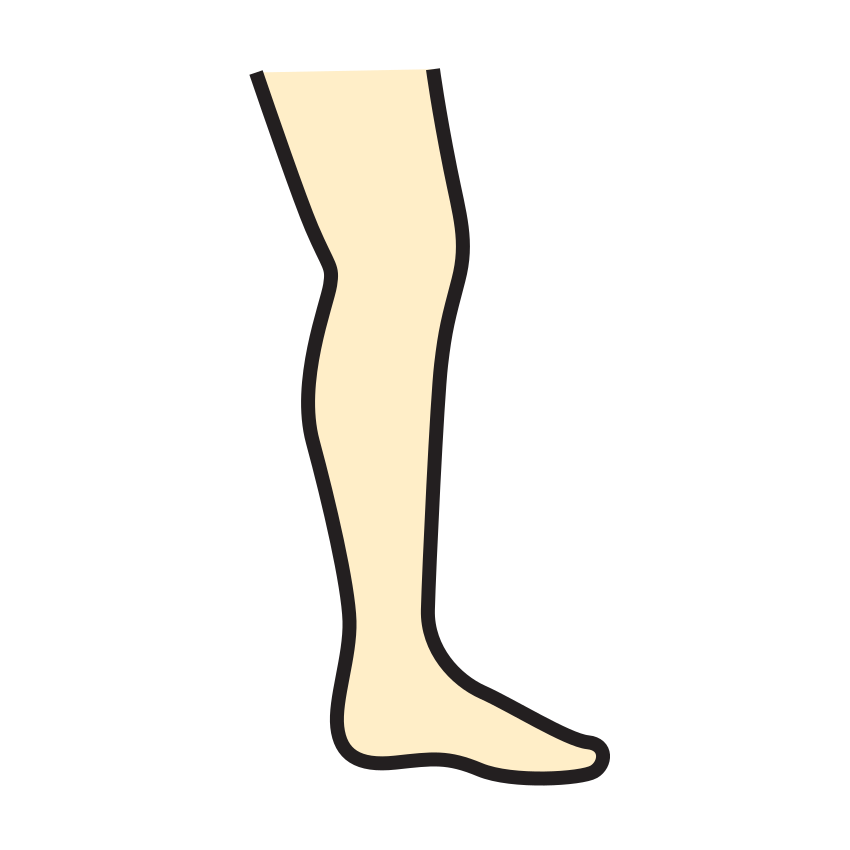
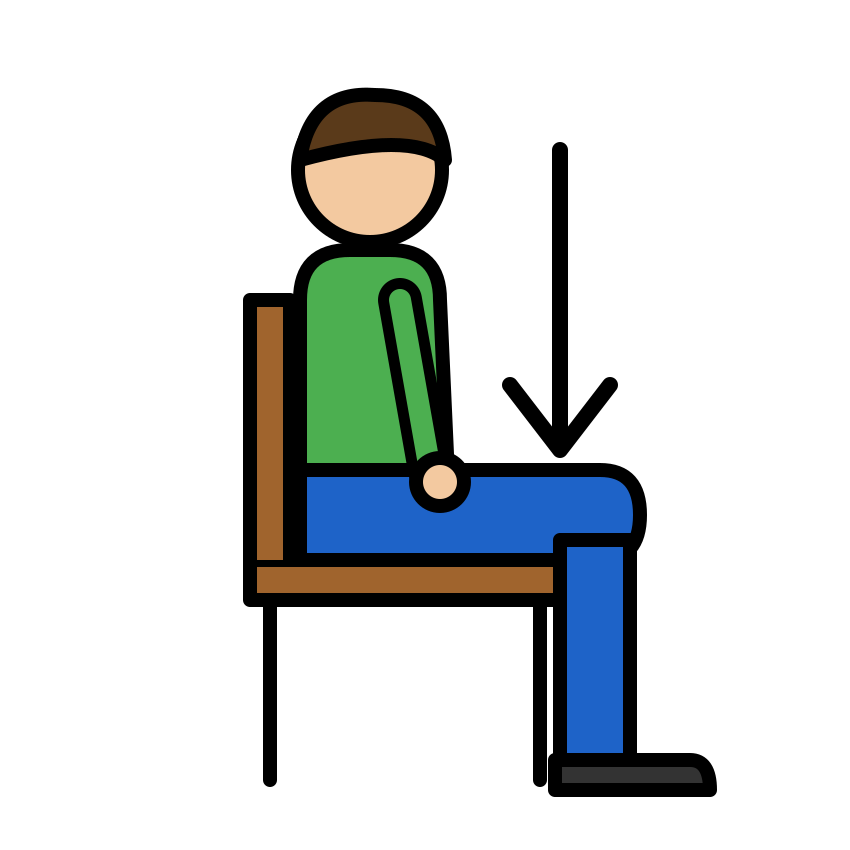
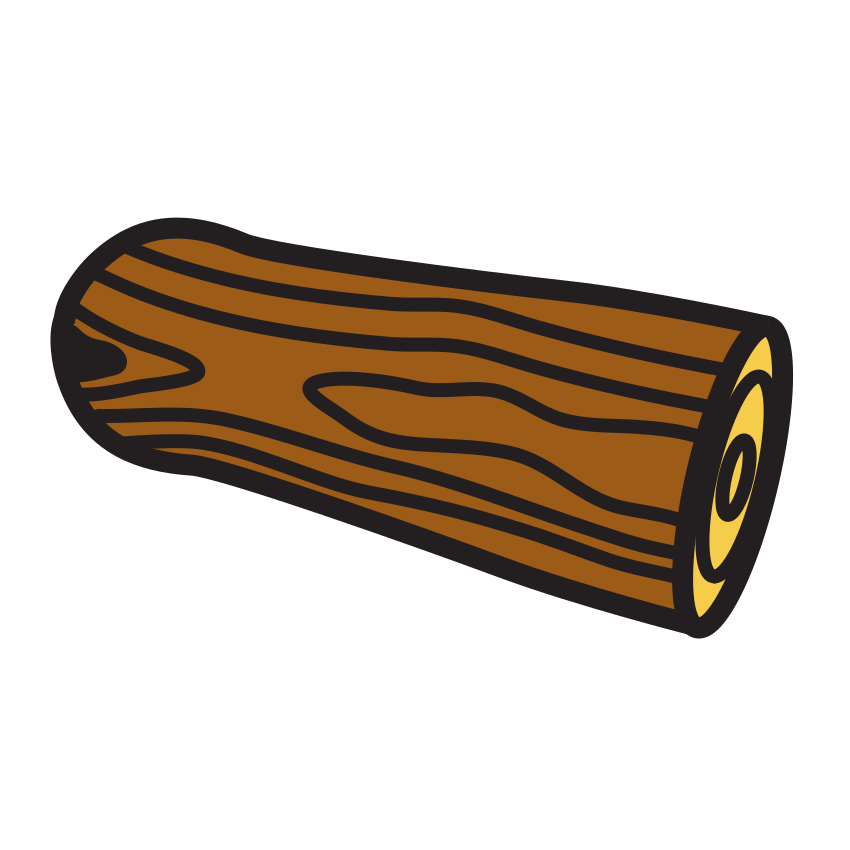
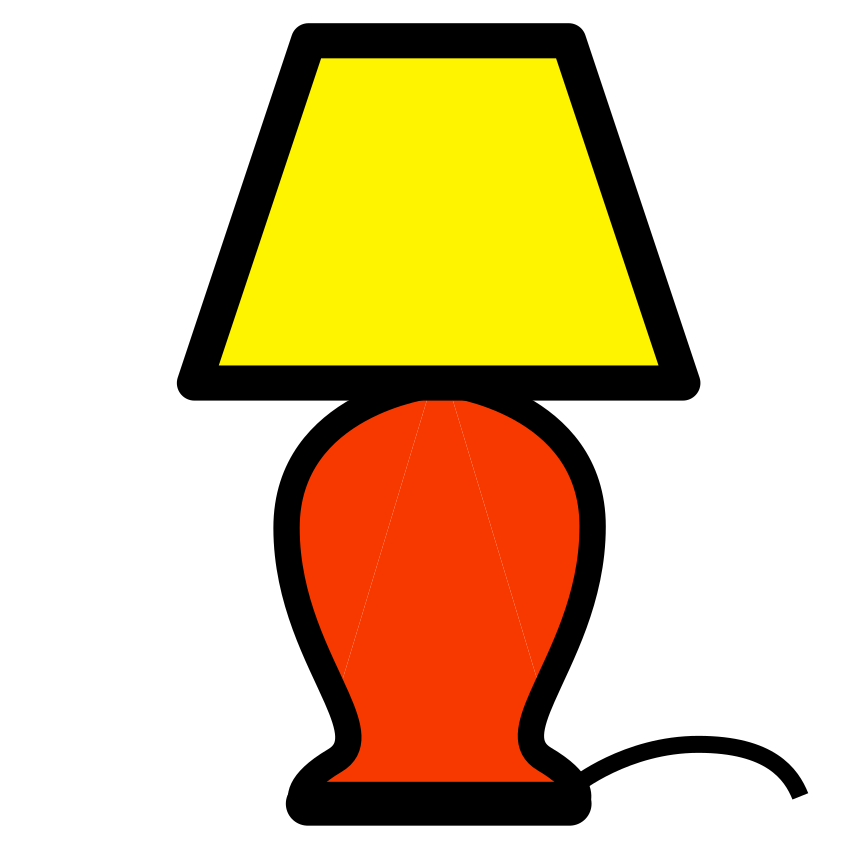
Ten words starting with /l/: leg, lap, lip, log, lamp, lake, lime, lace, lane, leaf. All single syllables with simple shapes, which is what a young child needs — initial /l/ is where this sound is usually first targeted, and the word should not be harder than the sound.
What to listen for
Listen for /w/ or /y/ replacing it. Weg for leg means the tongue tip is not making contact at all, and it is the commonest substitution. Watch whether the following vowel matters: leg and lip have front vowels that help the tongue forward, while log and lake are slightly harder, and accuracy that varies by vowel tells you where to start.
Carrying it home
Leg, lamp, leaf and lake are common enough to notice. Modelling the word clearly, rather than asking for a repetition, is the right approach with a young child, since correction reduces how much they say.
What's in this activity
- leg
- lap
- lip
- log
- lamp
- lake
- lime
- lace
- lane
- leaf
Questions
- What ages is this for?
- Kindergarten through third grade.
- Do I need to sign up?
- No, all ten cards play free in the browser.
- My child says 'weg' for 'leg'. What do I cue?
- The tongue tip. Show them in a mirror that the tip goes up behind the top teeth — /l/ is visible, which makes it one of the easier sounds to cue by sight rather than by description.
Use this board with your caseload
With a free account, every correct, cued and incorrect mark is saved to the student and scored against their IEP goal, with the data written up for you. Assign it as home practice through the parent portal.
Track progress freeFree for SLPs. No card, no trial clock.