Category Sort — 4 Groups
Sort pictures into 4 semantic categories.
Drop here
Drop here
Drop here
Drop here



0/10 sorted
How to run it
Name the four bins before you start and have the child repeat them, because holding four category labels in mind is part of the task. When a card goes in the wrong bin, ask what it is rather than telling them where it goes; a child who says pizza is food and still placed it under Animals has an attention problem, not a semantic one. Finish by asking for one more item for each bin, which is the harder generative form of the skill.
Cueing ladder
Start at the top. Add support one step at a time.
- IndependentPresent the item and wait 5 seconds of quiet before helping.Log as correct
- HintGive a clue about the word's category, what it does, or where you find it.Log as cued
- Two choicesOffer two answers, the right one not always second.Log as cued
- ModelGive the answer in a sentence; the student says it back and uses it once more.Log as cued
Adjust it
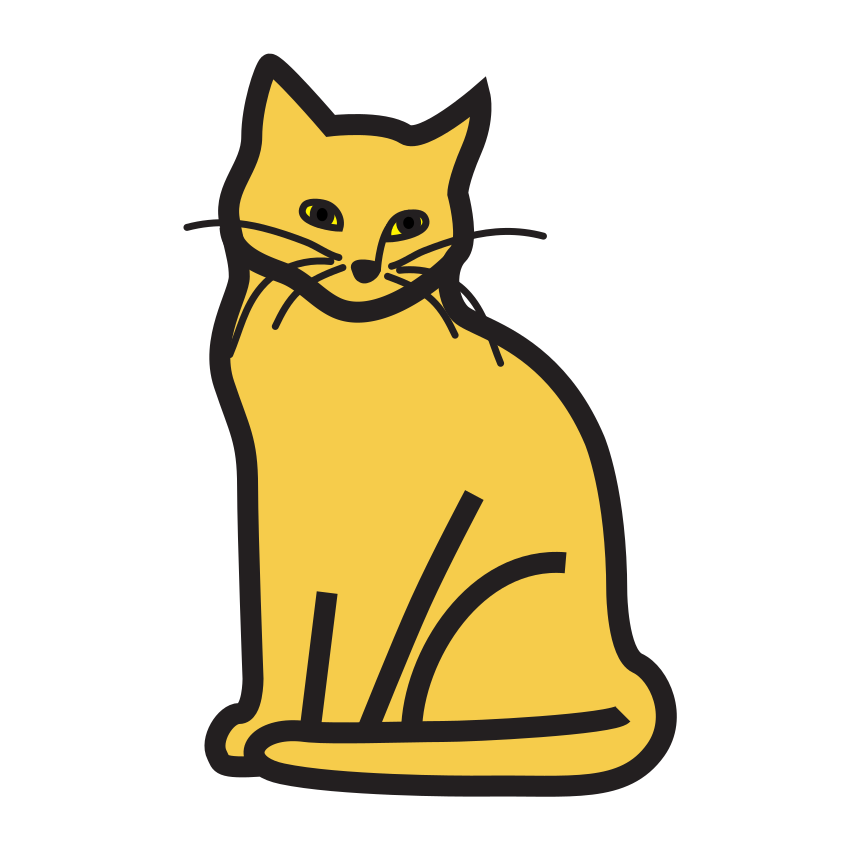
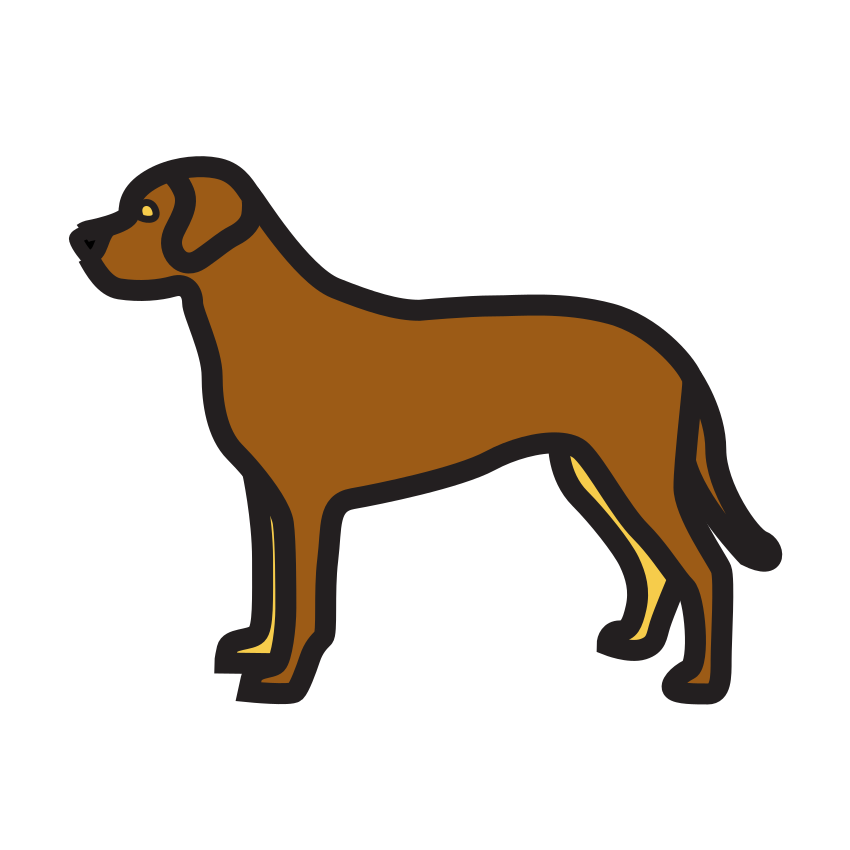
Use fewer items and start with the ones the student already knows, such as 'cat' and 'dog'.
Ask for the word in a sentence of the student's own, or a second example from the same group.
Matching IEP goal
Given vocabulary cards, Student will name, sort or define target words in 8 of 10 opportunities across 3 consecutive sessions, given no more than an indirect cue.
Send it home through the parent portal →About this activity
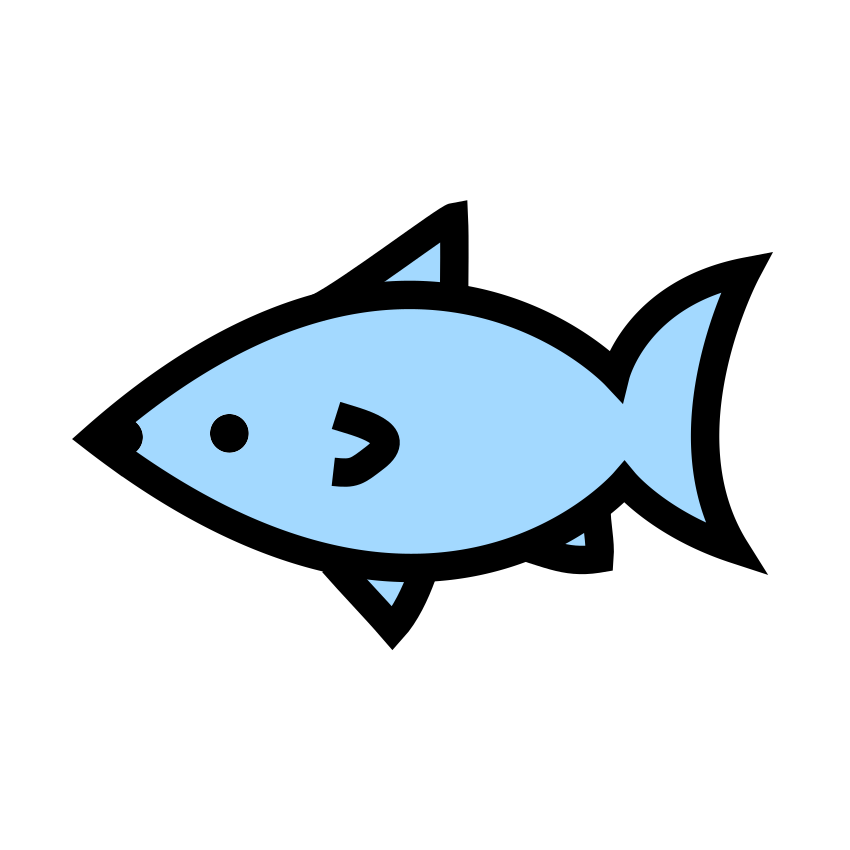
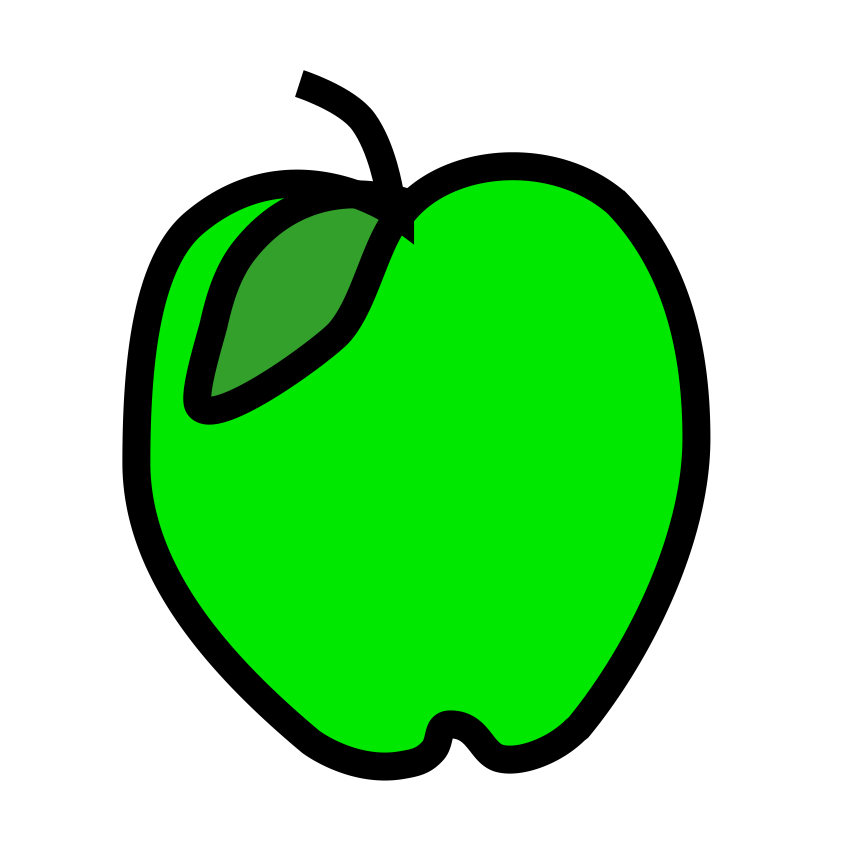
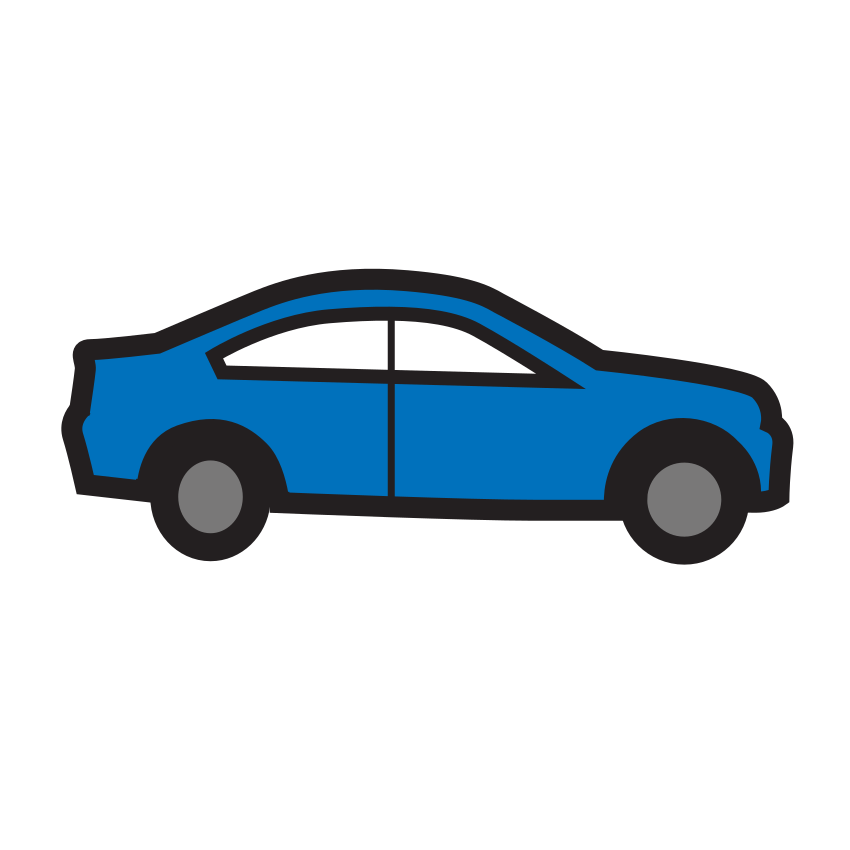
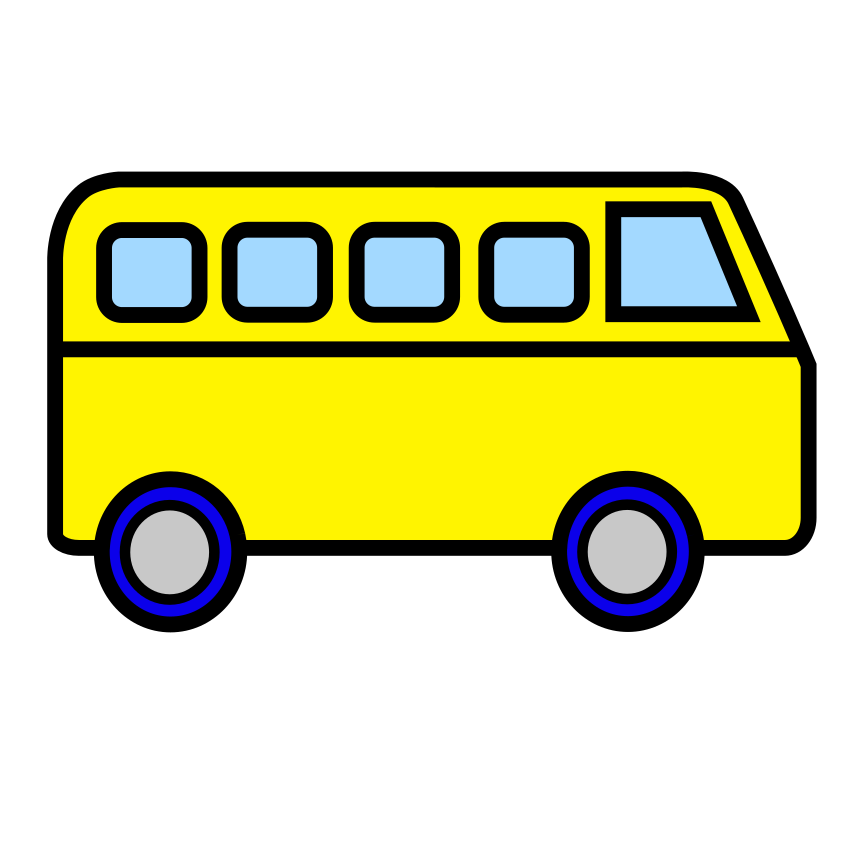
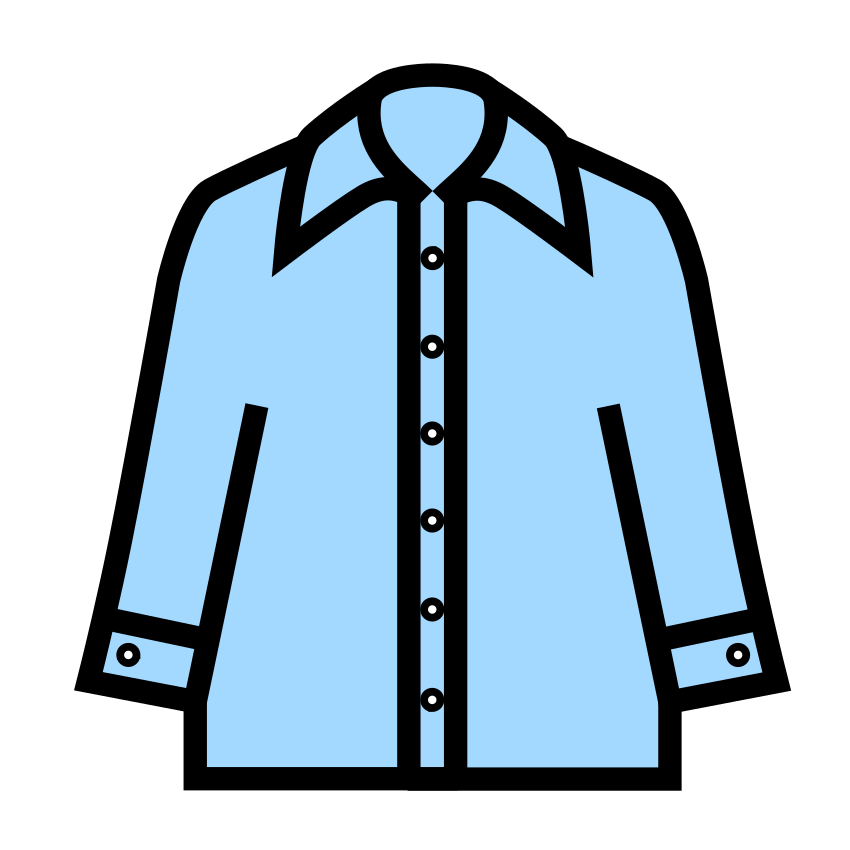
Ten pictures into four bins: cat, dog and fish are Animals; apple, cake and pizza are Food; car and bus are Vehicles; shirt and hat are Clothing. Four categories is a real step up from two — with two bins a child can succeed by recognising one category and putting everything else in the other, and with four that shortcut stops working.
What to listen for
Watch for associative sorting. A child who puts milk with cat because cats drink milk is reasoning by association, which is developmentally reasonable and different from categorising. Notice which bin is weakest — Clothing and Vehicles usually have thinner vocabulary than Animals and Food at this age, because they come up less often in talk with young children.
Carrying it home
Putting shopping away is a four-category sort that happens weekly. Ask which group something belongs to before it goes on the shelf, and name the category out loud — this is food, this is clothes — rather than only naming the item.
What's in this activity
- Animals
- Food
- Vehicles
- Clothing
Questions
- What grades is this for?
- First through third. For a younger child or one who is finding four bins overwhelming, the two-category animals-and-food board is the step before this one.
- Do I need an account?
- No, the board plays free in the browser with no login.
- Why does categorising matter?
- Because a well-organised semantic network makes words easier to find. Category knowledge is one of the main routes to retrieval, which is why it turns up in word-finding work as well as vocabulary work.
Use this board with your caseload
With a free account, every correct, cued and incorrect mark is saved to the student and scored against their IEP goal, with the data written up for you. Assign it as home practice through the parent portal.
Track progress freeFree for SLPs. No card, no trial clock.